







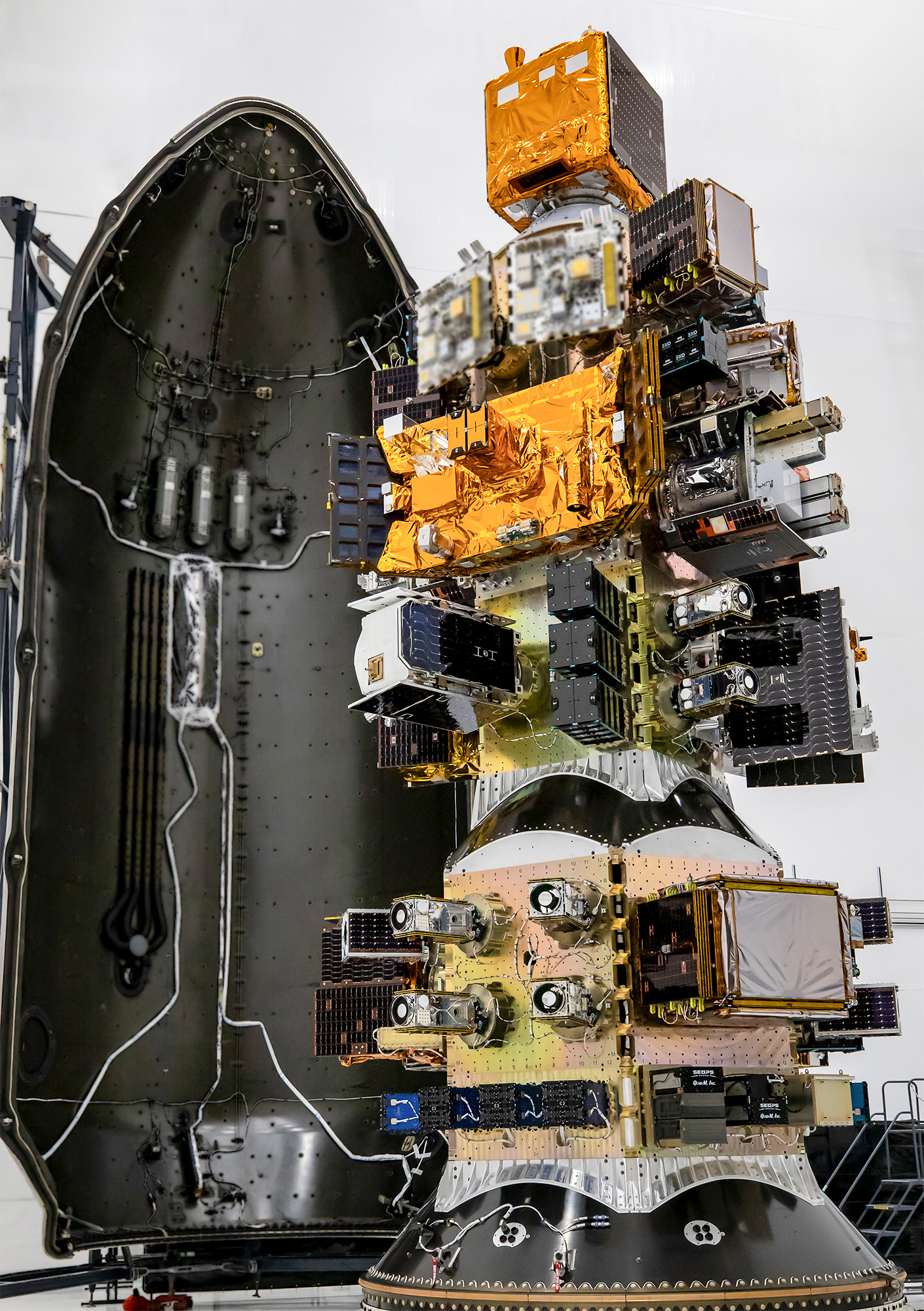
The SpaceX rideshare mission is set to launch soon, offering a unique opportunity for space enthusiasts. This mission promises to deliver numerous payloads into orbit, showcasing SpaceX’s capabilities.
What is the SpaceX rideshare mission?
The SpaceX rideshare mission is an innovative program designed to provide cost-effective access to space for small satellites and payloads. This initiative allows multiple customers to share a single rocket launch, significantly reducing the expense associated with sending individual missions to orbit.
Scheduled to launch from Vandenberg Space Force Base, the rideshare program has gained popularity among startups, research institutions, and government agencies looking to deploy satellites without incurring exorbitant costs. Each mission offers a dedicated opportunity for various payloads to reach their intended orbits.
Key features of the SpaceX rideshare mission include:
- Affordability: By sharing a launch, customers can benefit from lower prices compared to traditional launch services.
- Flexibility: The program accommodates a wide range of satellite sizes and types, from CubeSats to larger microsatellites.
- Regular Launch Cadence: SpaceX aims to conduct these rideshare missions frequently, providing consistent opportunities for satellite deployment.
As the space industry continues to grow, the SpaceX rideshare mission represents a significant step forward in making space exploration accessible to a broader range of participants.
When is the launch date?
The highly anticipated launch date for the next SpaceX rideshare mission has been set for February 2024. This mission aims to deploy a significant number of small satellites into orbit, allowing various companies and organizations to benefit from affordable access to space.
SpaceX has been at the forefront of the commercial space industry, and this rideshare mission continues to demonstrate their commitment to providing cost-effective solutions for satellite launches. The launch will take place at Vandenberg Space Force Base in California, a strategic location known for its ability to send payloads into sun-synchronous orbits.
For those interested in watching the launch, SpaceX plans to provide a live stream on their official website and social media channels. Viewers can expect to see the Falcon 9 rocket lift off, carrying a diverse range of satellites, from Earth observation devices to communications technology.
This mission not only highlights the capabilities of the Falcon 9 but also opens up new opportunities for startups and researchers looking to enter the space sector without the burden of substantial costs. The SpaceX rideshare mission is set to pave the way for the future of space exploration.
How to watch the SpaceX launch
For those eager to witness the upcoming SpaceX rideshare mission, there are several ways to catch the live launch. SpaceX typically streams its launches on various platforms, making it accessible for viewers worldwide.
Here are some options to consider:
- SpaceX Website: The most reliable source for the live feed is the official SpaceX website, where they host the stream directly.
- YouTube: SpaceX’s official YouTube channel is another great place to watch the launch live, complete with pre-launch commentary and updates.
- Social Media: Follow SpaceX on platforms such as Twitter and Facebook for real-time announcements and links to the live stream.
- News Outlets: Major space news organizations often cover the launch, providing live updates and expert analysis during the event.
Make sure to check the launch time, as it can vary based on weather conditions and other factors. Gather your friends and family, and prepare for an exciting experience as SpaceX continues to revolutionize space exploration with its rideshare missions.
Why is Vandenberg important?
Vandenberg Space Force Base plays a crucial role in the success of the SpaceX rideshare mission. Located on the central coast of California, Vandenberg offers unique advantages that make it an ideal launch site for various space missions.
One of the primary reasons for its importance is its geographic location. Vandenberg is situated on the West Coast, allowing for launches into polar or sun-synchronous orbits. This capability is essential for numerous satellites that require specific trajectories to optimize their functions.
Additionally, the base has a robust infrastructure that supports the needs of modern space missions. Its facilities are equipped to handle multiple launches, making it suitable for the ambitious schedule of the SpaceX rideshare mission.
Moreover, Vandenberg’s vast open spaces minimize risks to populated areas during launches. This safety aspect is crucial for both the public and the environment, ensuring that each mission can proceed with minimal concern.
Lastly, Vandenberg’s proximity to various commercial and governmental entities enhances collaboration and innovation in the aerospace industry, further solidifying its status as a key player in the future of space exploration.
What payloads are included?
The upcoming SpaceX rideshare mission will carry a diverse array of payloads, showcasing the innovative spirit of the space industry. This mission is designed to provide a cost-effective opportunity for small satellite operators to reach orbit alongside larger payloads.
Among the various payloads included, the following stand out:
- Small satellites: Numerous commercial and academic satellites will be deployed, ranging from Earth observation to technology demonstration missions.
- CubeSats: These miniature satellites, often developed by universities and research institutions, will play a vital role in advancing technology and conducting scientific research.
- Government payloads: Various governmental organizations are utilizing the rideshare mission to launch satellites for research, communication, and environmental monitoring.
- International partners: The mission has attracted interest from international space agencies, contributing to global collaboration in space exploration.
This impressive lineup underscores the potential of the SpaceX rideshare mission as a platform for innovation and exploration, making it an exciting opportunity for participants and enthusiasts alike.
SpaceX’s previous rideshare missions
SpaceX has established itself as a leader in the space industry through its innovative rideshare missions, which have significantly lowered the cost of launching payloads into orbit. Since the inception of its rideshare program, SpaceX has successfully launched multiple missions, showcasing their reliability and efficiency.
Some key highlights from SpaceX’s previous rideshare missions include:
- Transporter-1: Launched in January 2021, this mission set a record by deploying 143 satellites, showcasing the capabilities of the Falcon 9 rocket.
- Transporter-2: Following closely behind in June 2021, this mission carried over 88 payloads, further demonstrating the versatility of SpaceX’s rideshare program.
- Transporter-3: Launched in January 2022, it included a mix of commercial, government, and educational satellites, emphasizing the broad appeal of rideshare opportunities.
These missions have not only advanced space exploration but have also made it accessible to smaller companies and organizations that may not have the resources for dedicated launches. As SpaceX continues to innovate, its rideshare missions are poised to play a crucial role in the future of space exploration.
What to expect during the launch
During the upcoming SpaceX rideshare mission, spectators can expect a thrilling display of technological prowess and innovation. As the launch approaches, several key elements will define the experience for those watching from the ground and beyond.
- Launch Sequence: The launch will begin with a countdown that builds excitement as the rocket prepares for liftoff. Viewers will witness the ignition of Falcon 9’s engines, followed by a powerful ascent into the sky.
- First Stage Separation: Shortly after launch, the rocket’s first stage will separate, allowing it to return to Earth for a landing at the designated site, showcasing SpaceX’s reusable technology.
- Payload Deployment: The mission will include the deployment of numerous small satellites into orbit, featuring a mix of commercial, governmental, and scientific payloads. This aspect underscores the importance of the SpaceX rideshare mission in expanding access to space.
- Live Updates: Viewers can expect live updates from SpaceX’s official channels, providing real-time information on the mission’s progress and any significant milestones.
Overall, the launch promises to be a captivating event, highlighting the future of space exploration.
Future of rideshare missions in space
The future of rideshare missions in space, particularly those conducted by SpaceX, is poised for significant advancement. As the demand for satellite launches increases, companies and institutions are recognizing the value of sharing space on a single rocket.
One of the most compelling aspects of the SpaceX rideshare mission is its cost-effectiveness. By allowing multiple payloads from different customers to share the same launch, SpaceX reduces the overall expense of getting satellites into orbit. This has opened the door for smaller companies and research organizations to participate in space exploration.
Moreover, as technology continues to evolve, we can expect greater efficiency in these missions. The development of reusable rockets has already transformed the landscape of space travel, and rideshare missions are likely to benefit from these innovations.
In addition to commercial opportunities, rideshare missions also serve a vital role in advancing scientific research. They enable a diverse array of experiments and technology demonstrations, furthering our understanding of space.
As we look ahead, the SpaceX rideshare mission may indeed be one of the best ways to explore space, making it more accessible than ever before.
By SpaceX via Openverse