







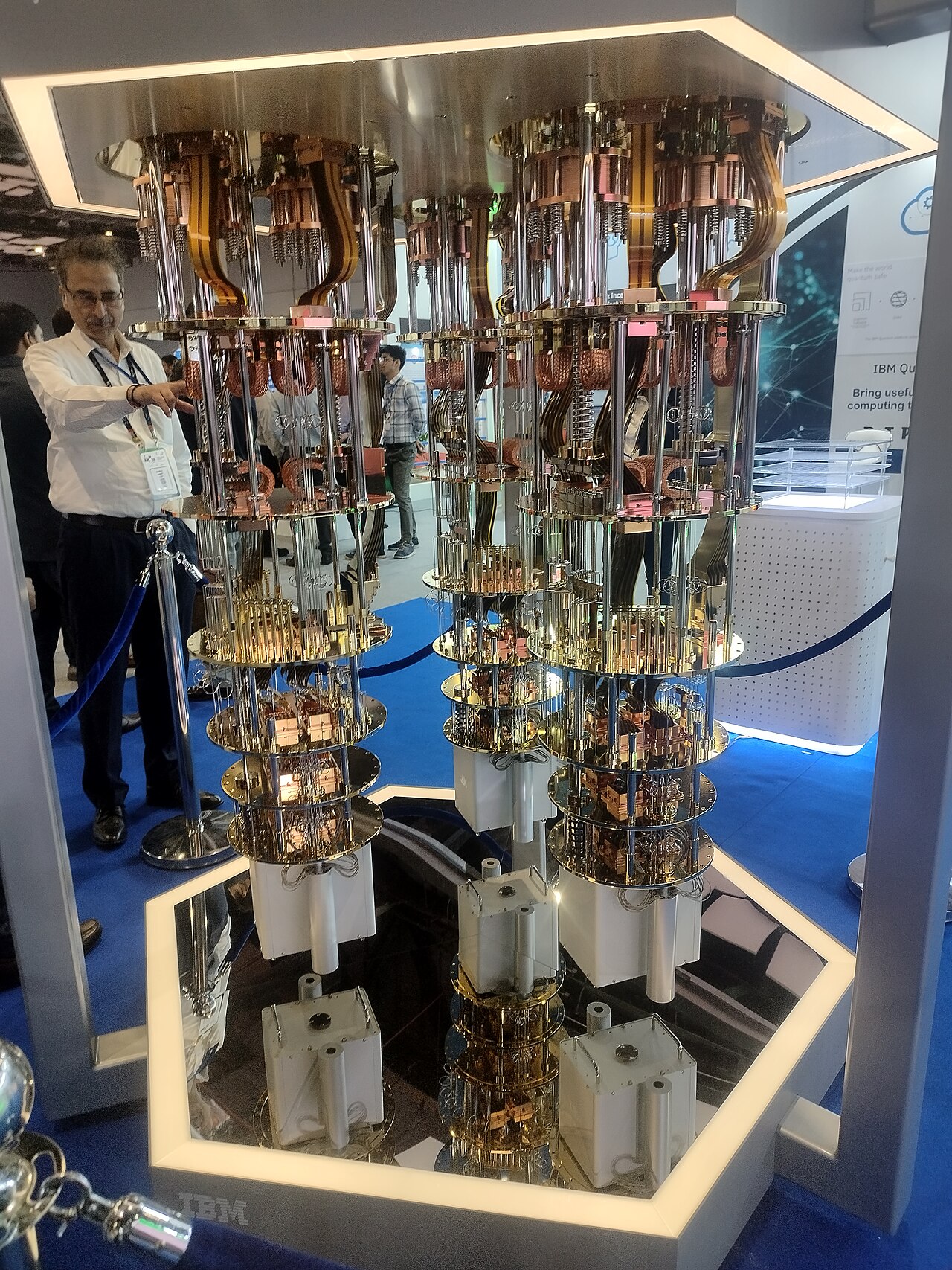
Quantum Processing Unit integration is making waves in the tech industry with the announcement from Horizon Quantum and OQC. Their successful collaboration promises significant advancements in quantum computing technology.
Overview of the Quantum Processing Unit
The recent collaboration between Horizon Quantum and OQC marks a significant milestone in the field of quantum computing, particularly with the advancement of the Quantum Processing Unit (QPU). This innovative technology aims to enhance computational capabilities beyond the limits of traditional computing systems.
The successful pulse-level integration of OQC’s QPU with the Triple Alpha Integrated Development Environment illustrates the potential for more efficient quantum algorithms and applications. This integration is expected to streamline the development process for quantum applications, providing developers with powerful tools to harness the capabilities of quantum systems.
Key features of the Quantum Processing Unit include:
- Enhanced Performance: The QPU is designed to execute complex calculations at unprecedented speeds.
- Scalability: Its architecture allows for future expansions, accommodating more qubits as technology advances.
- Improved Error Correction: Advanced error-correction techniques enhance the reliability of quantum computations.
This breakthrough in QPU integration not only demonstrates the progress in quantum technology but also sets the stage for future innovations that could revolutionize various industries, from cryptography to drug discovery.
Key Benefits of Integration
The integration of Horizon Quantum and OQC’s technologies has unveiled numerous key benefits, enhancing the capabilities of the Quantum Processing Unit (QPU). This landmark collaboration promises to revolutionize how quantum computing is approached, particularly in development environments.
- Enhanced Performance: By utilizing a robust integrated development environment, the Quantum Processing Unit can execute complex algorithms more efficiently, leading to faster processing times.
- Improved Scalability: The integration allows for better scalability of quantum systems, making it easier for developers to expand their quantum applications.
- Streamlined Development: With improved tools, developers can focus more on innovation rather than troubleshooting, significantly reducing the time to market for new quantum applications.
- Access to Advanced Features: The collaboration introduces advanced features that were previously unavailable, enabling developers to leverage cutting-edge technologies without extensive modifications.
- Increased Collaboration: This integration encourages collaboration within the quantum computing community, fostering partnerships and knowledge sharing that can drive further advancements.
Overall, the successful integration of OQC’s Quantum Processing Unit with Horizon Quantum’s development environment marks a significant step forward in the realm of quantum computing.
Horizon Quantum and OQC Partnership
In a groundbreaking development for the quantum computing industry, Horizon Quantum and Oxford Quantum Circuits (OQC) have announced a successful partnership that marks a significant milestone in the integration of OQC’s Quantum Processing Unit with Horizon’s Triple Alpha Integrated Development Environment. This collaboration is poised to enhance the capabilities of quantum technologies and streamline the development process for quantum applications.
The successful pulse-level integration promises to deliver a host of advantages for researchers and developers working in the field of quantum computing. Key features of this integration include:
- Improved Efficiency: The synergy between the Quantum Processing Unit and the development environment allows for faster algorithm development and testing.
- Enhanced Performance: The integration is expected to optimize the performance of quantum algorithms, leading to more reliable and accurate results.
- Broader Accessibility: By simplifying the integration process, Horizon Quantum and OQC aim to make quantum computing more accessible to a wider range of developers and researchers.
This partnership not only showcases the potential of quantum processing technologies but also sets a precedent for future collaborations aimed at advancing the field of quantum computing.
Future of Quantum Computing
The future of quantum computing appears promising, especially with the advancements in Quantum Processing Units (QPUs). As researchers and companies like Horizon Quantum and OQC continue to make significant strides, the integration of QPUs into practical applications is becoming more feasible.
Recent developments indicate that the successful pulse-level integration of OQC’s QPU with the Triple Alpha Integrated Development Environment can enhance computational capabilities. This integration not only demonstrates the potential of QPUs but also showcases the importance of collaborative efforts in the quantum technology landscape.
With ongoing enhancements in QPU design and functionality, we can expect a range of breakthroughs in various fields, including:
- Cryptography: Enhanced security through quantum encryption methods.
- Drug Discovery: Accelerated simulations for pharmaceutical research.
- Artificial Intelligence: Improved algorithms that leverage quantum mechanics.
As the technology matures, the role of QPUs in solving complex problems will become increasingly vital. The continued investment and research in this area could pave the way for revolutionary changes in computing as we know it, making the future of quantum computing an exciting frontier.
Technical Details of the Triple Alpha IDE
The Triple Alpha Integrated Development Environment (IDE) represents a significant advancement in the realm of quantum computing, particularly with its integration of OQC’s Quantum Processing Unit. This innovative environment is designed to streamline the development and execution of quantum algorithms, allowing researchers and developers to harness the full potential of quantum technology.
Key technical details of the Triple Alpha IDE include:
- Seamless Integration: The IDE offers a user-friendly interface that allows for effortless interaction with the Quantum Processing Unit, ensuring that users can focus on developing their applications without getting bogged down by complex setups.
- Enhanced Performance: With optimized algorithms specifically tailored for the Quantum Processing Unit, users can expect significant improvements in computational speed and efficiency, overcoming previous limitations of classical systems.
- Robust Error Correction: The integration features advanced error correction techniques that are vital for maintaining the integrity of quantum calculations, thereby increasing reliability in results.
- Extensive Libraries: The IDE comes equipped with a comprehensive set of libraries that support various quantum algorithms, facilitating a wide range of applications across multiple fields.
This combination of features positions the Triple Alpha IDE as a leading platform in the ongoing evolution of quantum computing.
via Wikimedia Commons