



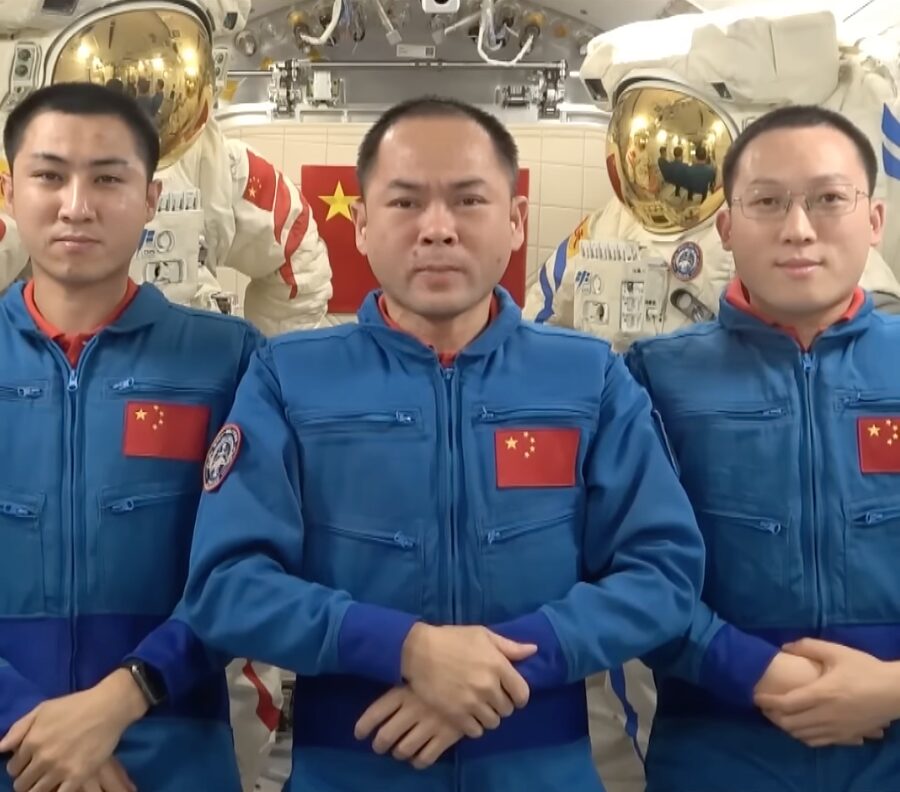
China space station developments are making headlines as the country outlines its ambitious plans for evolution and lunar mission progress. This article explores the latest updates and implications for future space exploration.
Overview of China’s Space Station
China’s space station represents a significant leap in the nation’s space capabilities, showcasing a well-planned evolution and progress in space exploration. As the project moves forward, it aims to become a pivotal hub for international collaboration in scientific research and technology development.
The construction of the China space station, known as Tiangong, began in 2021 and is scheduled to be completed by 2022. This ambitious project includes:
- Modular Design: The station consists of a core module, along with two laboratory modules, allowing for various scientific experiments.
- International Collaboration: China has invited global partnerships for research opportunities aboard the station.
- Lunar Missions: Plans for lunar exploration missions coincide with the space station’s development, further expanding China’s reach in space.
Through these advancements, China aims to establish itself as a leader in space exploration.
Recent Achievements in Space Technology
China has made significant strides in its space technology, particularly with its ongoing developments surrounding the China space station. In recent months, several key achievements have highlighted the nation’s commitment to advancing its capabilities in space exploration.
- Launch of the Wentian and Mengtian modules: These additions to the China space station have enhanced its operational capacity and experimental capabilities.
- Successful crewed missions: The recent crewed missions have showcased the station’s ability to support human life for extended periods.
- International collaborations: China has engaged with various countries for joint research initiatives, expanding its influence in global space exploration.
These achievements not only demonstrate China’s technological prowess but also set the stage for future missions, including lunar exploration and beyond.
Future Plans for Lunar Missions
China’s ambitious plans for lunar exploration are set to complement the ongoing development of its space station. The China Space Station is envisioned as a critical platform for conducting various scientific experiments, including those related to lunar missions.
In the coming years, China aims to:
- Launch crewed lunar missions: Targeting manned landings on the Moon by the mid-2020s, China is preparing to send astronauts to explore lunar surfaces and potentially establish a permanent base.
- Enhance robotic exploration: The nation plans to deploy advanced robotic missions to collect lunar samples and study the Moon’s geology, providing essential data for future manned missions.
- Develop lunar infrastructure: Preparations for building habitats and research facilities on the Moon will facilitate long-term scientific efforts and international collaboration.
These initiatives signify China’s commitment to becoming a leading player in space exploration.
International Collaboration in Space Exploration
The China space station has become a focal point for international collaboration in space exploration. As countries seek to enhance their scientific capabilities, partnerships with China offer unique opportunities.
Key areas of collaboration include:
- Joint Research Initiatives: Scientists from various nations are working together on experiments that utilize the advanced facilities of the China space station.
- Technology Exchange: Collaborative projects allow for the sharing of critical technologies, enhancing the overall efficiency of space missions.
- Global Participation: Several countries have signed agreements to send their own experiments to the China space station, fostering a spirit of cooperation.
This international approach not only strengthens scientific understanding but also promotes peace and unity among nations in the pursuit of knowledge beyond Earth.
Challenges Facing the Space Program
The development of the China space station has not been without its challenges. As the nation aims to establish itself as a leader in space exploration, several obstacles have emerged that test its capabilities.
Key challenges include:
- Technological Hurdles: Developing advanced technologies for sustainable human habitation in space requires significant innovation and testing.
- Funding and Resources: Adequate funding is essential to ensure the continuity of the program, especially amid competing national priorities.
- International Relations: Navigating geopolitical tensions can affect collaboration with other space agencies, which is crucial for knowledge sharing and resource pooling.
- Safety Concerns: Ensuring the safety of astronauts during missions remains a top priority, requiring rigorous training and contingency planning.
Addressing these challenges will be vital for the ongoing success of the China space station initiative.
Impact on Global Space Race
The establishment of the China space station has significantly impacted the global space race, positioning China as a key player in the exploration of outer space. As nations expand their space capabilities, China’s advancements in both technology and collaboration have prompted other countries to reassess their strategies.
Furthermore, the ongoing development of the space station has fostered international partnerships, inviting scientists and researchers worldwide to participate in various projects. This inclusive approach not only enhances scientific knowledge but also encourages shared goals in space exploration.
Additionally, the competitive landscape has led to an acceleration in innovations, with nations striving to match or exceed China’s achievements. As a result, the race for dominance in space continues to intensify, showcasing the importance of collaboration and competition in advancing humanity’s understanding of the cosmos.
Public Interest in Space Initiatives
The public interest in space initiatives has surged significantly in recent years, particularly due to advancements related to the China space station. With every successful launch and milestone achieved, more people are engaging with the possibilities that space exploration presents. This fascination is fueled by various factors:
- Technological Innovations: Breakthroughs in space technology capture the imagination of the general public.
- Educational Outreach: Programs aimed at schools and communities raise awareness about space science.
- Popular Media: Documentaries and films depicting space missions increase visibility and interest.
- Social Media: Real-time updates and content shared online create a global conversation around space endeavors.
As the China space station continues to evolve, it not only showcases national pride but also inspires future generations to dream big.
By 中国新闻社 via Openverse
References
Aviation Week · China space station
Related reading
Is the realme P4s Lite the Best Budget Phone in India? · Vivo phone battery: Is it the Best 9000mAh Option? · Four-Cylinder Sports Cars: The Best Proven Models to Consider