








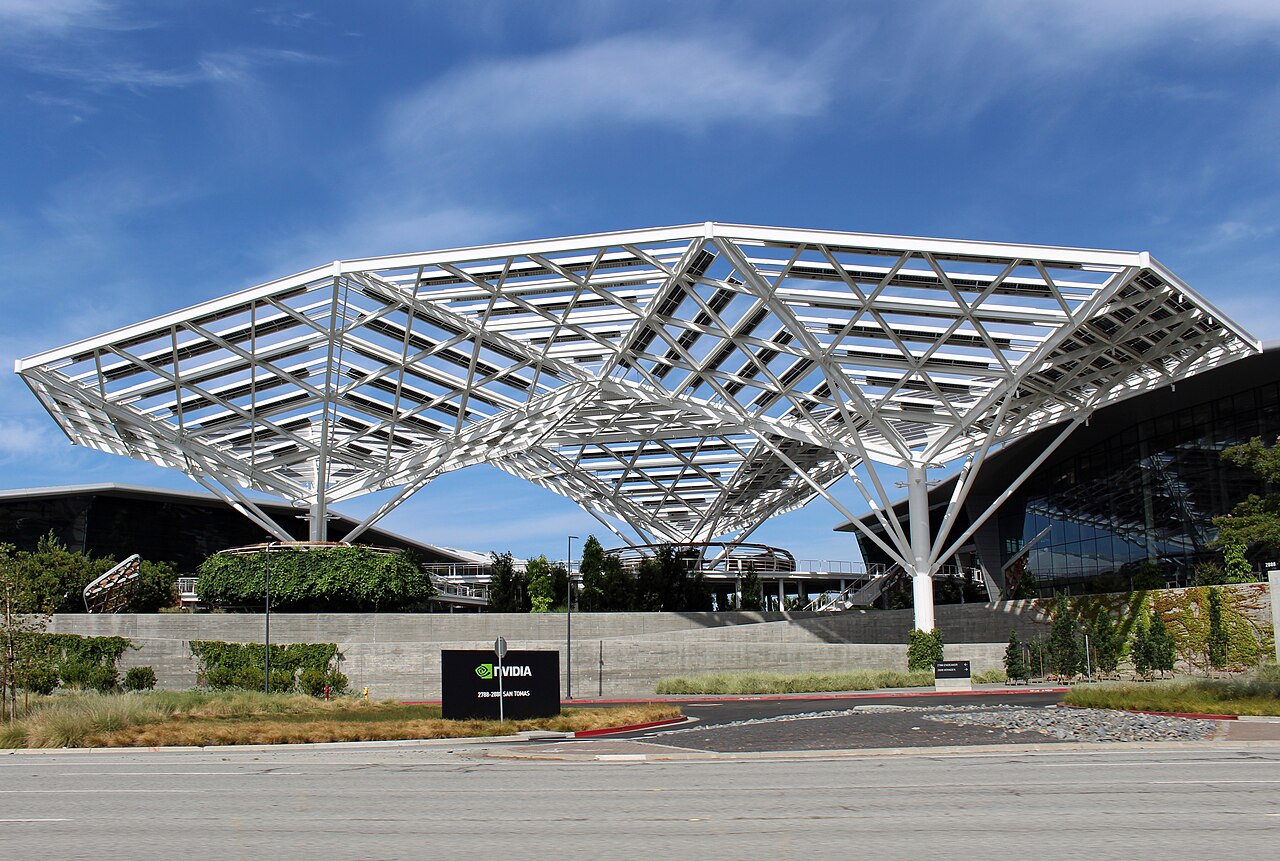
GPU prices high is a concern for many tech enthusiasts. Nvidia’s significant investments in AI technology could be a key factor keeping these prices elevated for the foreseeable future.
Understanding Nvidia’s AI Strategy
Nvidia, a leading player in the GPU market, has been making significant investments in artificial intelligence (AI), which could be a key factor in the current state of GPU prices high. The company’s strategy revolves around enhancing its AI capabilities, which has led to a surge in demand for its GPUs, particularly among data centers and AI researchers.
Several elements define Nvidia’s AI strategy:
- Accelerated Research and Development: Nvidia is committing substantial resources to advance AI technologies, ensuring that its GPUs remain at the forefront of innovation.
- Partnerships and Collaborations: The company has established partnerships with various tech giants and research institutions, further expanding the use of its GPUs in AI applications.
- Product Diversification: Nvidia is broadening its product lineup to cater to different AI markets, which helps sustain its GPU pricing power.
As Nvidia continues to invest heavily in AI, it may inadvertently contribute to the persistence of high GPU prices. This scenario could result in prolonged challenges for consumers and businesses alike, as they seek affordable access to cutting-edge technology.
How AI Investments Affect GPU Supply
The recent surge in AI investments by Nvidia is having a significant impact on the supply of GPUs, leading to persistently high GPU prices. As demand for advanced AI capabilities continues to grow, Nvidia has shifted its focus towards producing powerful GPUs tailored for AI applications. This strategic pivot has resulted in a concentration of resources that may limit the availability of GPUs for other uses, such as gaming or general computing.
Industry experts highlight several factors contributing to the ongoing high GPU prices:
- Increased Demand: The rise in AI applications has created a surge in demand for high-performance GPUs, often outstripping supply.
- Production Constraints: Nvidia’s focus on AI-centric GPUs may inadvertently restrict the production of consumer-grade models, impacting availability.
- Market Speculation: As consumers anticipate future shortages, speculation drives prices even higher, creating a cycle of inflated costs.
In summary, Nvidia’s concentrated investments in AI technology may not only elevate the capabilities of their products but also contribute to the ongoing challenge of high GPU prices for consumers and businesses alike.
The Connection Between AI and GPU Prices High
The surge in demand for artificial intelligence technologies has created a significant ripple effect in the GPU market. As companies invest heavily in AI, the competition for high-performance graphics processing units has intensified, leading to GPU prices high across the board. This trend is largely driven by the increasing need for powerful hardware to support AI applications, ranging from machine learning to advanced data analytics.
Nvidia, a leading player in the GPU market, has strategically positioned itself to capitalize on this demand. Its focus on AI has not only boosted its stock prices but also limited the availability of GPUs for consumers and gamers alike. As a result, many are left paying inflated prices for graphics cards that were once more affordable.
Several factors contribute to the ongoing GPU price inflation:
- Increased demand: The rise of AI technologies has led to a surge in orders for high-performance GPUs.
- Supply chain constraints: Manufacturing challenges and semiconductor shortages continue to impact production.
- Market speculation: Investors and enthusiasts alike are buying GPUs as a hedge against potential shortages.
Market Reactions to Nvidia’s Moves
As Nvidia continues to bolster its investment in artificial intelligence, market reactions have been swift and significant. Many analysts believe that the company’s aggressive strategy is a key factor contributing to the current trend of GPU prices high.
In response to Nvidia’s latest announcements, several industry players have adjusted their forecasts. The demand for high-performance GPUs, particularly for AI applications, has skyrocketed. This surge in demand has led to:
- Increased competition among manufacturers seeking to produce more advanced GPUs.
- Higher retail prices as supply struggles to keep pace with burgeoning demand.
- Stock volatility for Nvidia and its competitors, reflecting investor sentiment about the future of AI-driven markets.
Moreover, consumers are feeling the pinch as they navigate a market where the price of GPUs has surged, making upgrades more costly. As Nvidia’s ventures into AI technology continue to evolve, it remains uncertain how long these elevated prices will persist. Many experts are now closely monitoring Nvidia’s next moves, as they could have lasting implications for both the GPU market and the broader tech industry.
Consumer Impact of Rising GPU Costs
The soaring prices of GPUs have become a significant concern for consumers, particularly gamers and content creators. As Nvidia continues to invest heavily in AI technology, the repercussions are being felt across the market, leading to an increase in GPU prices high. This situation has left many consumers in a difficult position.
One major impact is on gaming. Gamers are finding it increasingly challenging to upgrade their systems or purchase new graphics cards without breaking the bank. The escalating costs have led to a decline in the availability of mid-range GPUs, pushing enthusiasts to either delay their purchases or settle for less powerful options.
Additionally, content creators who rely on high-performance GPUs for tasks like video editing and 3D rendering are also feeling the pinch. With budget constraints tightening, many are forced to consider alternative solutions or invest more time into optimizing their existing hardware.
- Increased demand: As AI applications grow, so does the competition for GPUs.
- Limited supply: Nvidia’s focus on AI diverts resources from consumer-grade products.
- Long-term effects: Consumers may face high prices for the foreseeable future.
Future Predictions for GPU Pricing
As Nvidia continues to heavily invest in AI technology, predictions regarding future GPU pricing remain uncertain. Analysts suggest that the current trend of high GPU prices may persist for the foreseeable future, primarily due to the ongoing demand for advanced processing capabilities driven by AI applications.
Several factors are likely to influence GPU pricing in the coming months:
- Increased Demand: The surge in AI-related projects is expected to keep demand for GPUs elevated, as businesses and developers seek powerful hardware to support their initiatives.
- Supply Chain Challenges: Ongoing supply chain disruptions could hinder production rates, leading to limited availability of GPUs in the market.
- Technological Advancements: As newer, more powerful GPUs are developed, existing models may see a price increase due to their enhanced capabilities, further contributing to the trend of high GPU prices.
- Market Dynamics: Competitors may raise their prices in response to Nvidia’s pricing strategies, resulting in an overall increase in GPU costs across the industry.
In summary, the interplay of these factors suggests that consumers and businesses alike should prepare for a market where GPU prices remain high for an extended period.
Alternatives to Nvidia Graphics Cards
As GPU prices remain high, many consumers and gamers are exploring alternatives to Nvidia graphics cards. While Nvidia has dominated the market with its cutting-edge technology and AI capabilities, several other manufacturers offer viable options that can fit different budgets and performance needs.
- AMD Radeon Graphics Cards: AMD has been a strong competitor in the GPU market, providing excellent performance, especially for gaming. Their recent models, such as the Radeon RX 6000 series, offer competitive pricing and features that appeal to gamers looking for alternatives.
- Intel Arc Graphics: Intel has entered the discrete GPU market with its Arc series. Though still relatively new, these cards aim to provide solid performance and are designed to work well with Intel processors, making them an attractive option for system builders.
- Used and Refurbished GPUs: With the rising prices of new GPUs, many consumers are turning to the second-hand market. Used or refurbished graphics cards can offer significant savings, although buyers should be cautious and ensure they are purchasing from reputable sources.
Overall, while Nvidia’s AI investment continues to influence GPU prices high, exploring these alternatives may provide relief for consumers seeking to upgrade their systems.
Conclusion: Navigating the New GPU Landscape
As the GPU market continues to evolve, the implications of Nvidia’s substantial investments in AI are becoming increasingly evident. Consumers and industry players alike are forced to adapt to a landscape where GPU prices high may become the new norm. The interplay between AI advancements and graphics processing capabilities has created a ripple effect, impacting supply chains and pricing structures.
In this new environment, understanding the motivations behind Nvidia’s strategies is crucial. The company’s focus on AI not only boosts its market position but also contributes to a scarcity of high-performance GPUs. As demand surges, prices are likely to remain elevated, making it essential for consumers to explore alternatives and optimize their purchasing decisions.
Moreover, market reactions to Nvidia’s latest moves indicate a shift in consumer sentiment. Many are reconsidering their loyalty to traditional Nvidia products in light of rising costs. This evolving dynamic opens up opportunities for competitors to capture market share, presenting consumers with more choices.
Ultimately, navigating the new GPU landscape will require patience and strategic planning. By staying informed and exploring various options, consumers can better manage the impact of high GPU prices on their purchasing power.
The surge in demand for AI technologies has contributed to GPU prices high, affecting both gamers and data scientists. As Nvidia continues to invest heavily in AI, the implications of GPU prices high may reshape the landscape of computing hardware.
via Wikimedia Commons