






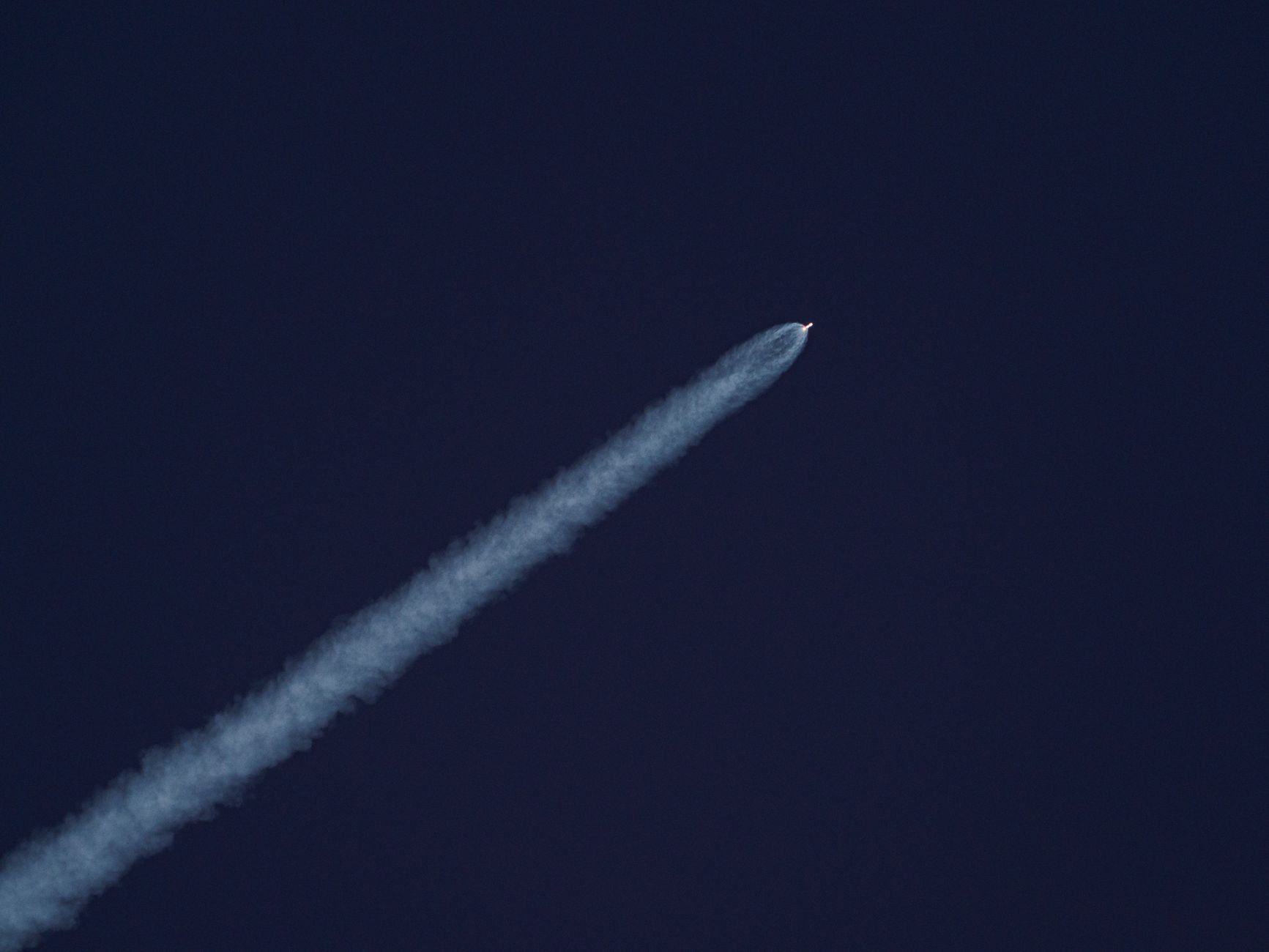
The uncrewed Gaganyaan launch is making headway as the mission clears a key test. This marks an important milestone in India’s ambitions for human spaceflight.
Overview of Gaganyaan Mission
The Gaganyaan mission represents India’s ambitious step towards human spaceflight, aiming to demonstrate the nation’s capabilities in space exploration. The uncrewed Gaganyaan launch is a pivotal part of this mission, serving as a precursor to future crewed missions. This initiative showcases India’s commitment to advancing its space technology and contributing to global space exploration efforts.
The mission’s objectives include:
- Testing the crew module’s systems and performance in a space environment.
- Verifying the launch vehicle’s reliability and capability to carry astronauts safely.
- Collecting data to enhance the safety measures for future crew missions.
Recent developments indicate that the uncrewed launch is on track, with several key tests successfully completed. These tests are crucial for assessing the systems that will ultimately support human life in space. Additionally, the Indian Space Research Organisation (ISRO) is diligently working on refining the technology necessary for a successful mission.
As the countdown progresses, the scientific community and space enthusiasts alike are eagerly awaiting the outcomes of the uncrewed Gaganyaan launch, which could pave the way for India’s future in human spaceflight.
Recent Test Results
Recent test results from the Gaganyaan mission have provided encouraging signals regarding its progress towards the uncrewed Gaganyaan launch. The Indian Space Research Organisation (ISRO) has successfully completed a series of critical evaluations that lay the groundwork for the upcoming mission.
Among the key tests conducted recently were:
- Environmental Tests: These assessments ensured that the spacecraft can withstand the extreme conditions of space travel, including temperature variations and radiation exposure.
- Structural Integrity Tests: Engineers evaluated the spacecraft’s design to confirm that it can endure the stresses of launch and re-entry.
- Systems Check: Comprehensive checks of onboard systems, including navigation, propulsion, and communication, have demonstrated their reliability and readiness for the mission.
Additionally, the results indicated that the uncrewed Gaganyaan launch is on track for its scheduled timeline. ISRO officials expressed confidence that these successful tests are a major step forward. With each milestone achieved, the mission moves closer to its goal of sending astronauts into space in future crewed missions.
As preparations continue, the focus remains on ensuring the safety and success of the upcoming launch.
Significance of Uncrewed Launch
The uncrewed Gaganyaan launch marks a pivotal moment in India’s space exploration journey. This mission is not only a testament to the technological advancements of the Indian Space Research Organisation (ISRO) but also signifies the country’s growing capabilities in spaceflight.
One of the primary significances of the uncrewed launch is its role in validating critical systems required for human spaceflight. By testing various components in a real-world environment, ISRO can identify and rectify potential issues before sending astronauts into space. This step is crucial for ensuring the safety and success of future crewed missions.
Moreover, the uncrewed Gaganyaan launch serves as a demonstration of India’s commitment to becoming a key player in the global space arena. It is a strategic move that not only enhances national pride but also positions India as a competitor in the international space race.
Additionally, the mission has implications for international collaboration. Successful tests can lead to partnerships with other nations and space agencies, opening doors for joint missions and sharing of technology.
In conclusion, the uncrewed Gaganyaan launch is more than just a test; it is a significant step towards future human space exploration, enhancing technological capabilities, and establishing India’s presence in the cosmos.
Future Steps for Gaganyaan
As the uncrewed Gaganyaan launch approaches, the Indian Space Research Organisation (ISRO) has outlined several critical future steps to ensure the mission’s success. These steps are pivotal in refining the technologies and processes involved in human spaceflight.
One of the primary focuses will be on further testing of the launch vehicle, the GSLV Mk III, which is set to carry the Gaganyaan spacecraft into orbit. ISRO plans to conduct additional static tests of the rocket’s engines, as well as comprehensive simulations to assess its performance under various conditions.
In addition to vehicle testing, ISRO is prioritizing the development of life support systems, which are essential for the safety of future astronauts. These systems will undergo rigorous evaluations to ensure they can sustain life during extended missions in space.
Moreover, the agency is working on improving ground support infrastructure, which includes command and control centers that will monitor the uncrewed Gaganyaan launch and relay data back to mission control. Effective communication systems are crucial for real-time decision-making during the mission.
- Conducting further GSLV Mk III tests
- Enhancing life support systems
- Upgrading ground support infrastructure
These steps will pave the way for a successful uncrewed Gaganyaan launch and pave the path toward future manned missions.
Impact on Space Exploration
The uncrewed Gaganyaan launch represents a significant milestone in India’s ambition to establish a robust presence in space exploration. This mission not only demonstrates India’s growing technological capabilities but also sets the stage for future human spaceflight endeavors.
The successful completion of critical tests has paved the way for advancements in various areas of space technology, including:
- Launch Vehicle Development: The Gaganyaan mission showcases India’s ability to design and develop launch vehicles capable of carrying astronauts safely to orbit.
- Life Support Systems: Innovations in life support systems, crucial for human space travel, are being refined through this uncrewed launch, ensuring that future missions prioritize astronaut safety.
- International Collaboration: The mission opens doors for collaboration with other space agencies, fostering partnerships that could enhance research and technological exchange.
- Public Interest and Investment: As public interest in space exploration increases, so does potential investment in India’s space sector, which could accelerate various projects.
Ultimately, the uncrewed Gaganyaan launch not only signifies progress for India but also contributes to the global dialogue on space exploration, inspiring future generations to pursue careers in science and technology.
Photo by Dirk Schuneman on Pexels