






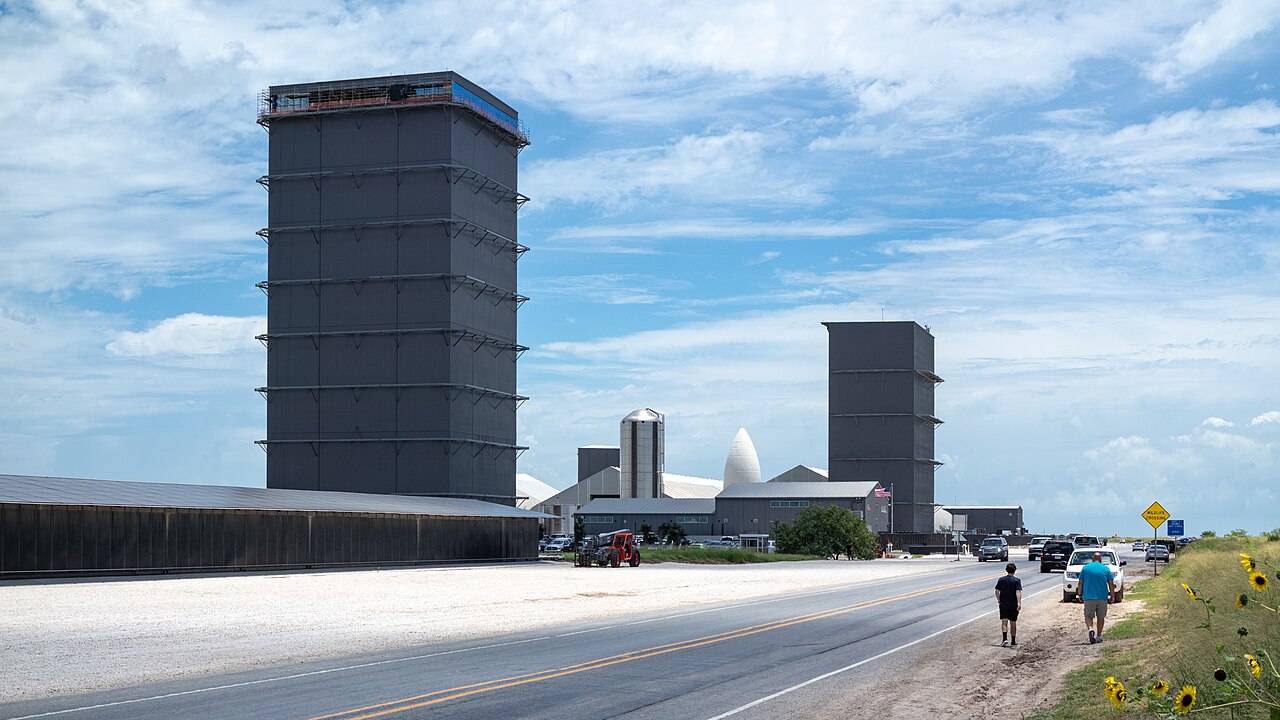
SpaceX shares fall below their IPO price, raising concerns among investors and analysts alike. The recent decline has sparked discussions about the company’s future and market performance.
Understanding the SpaceX IPO
The SpaceX IPO, which took place earlier this year, was highly anticipated and marked a significant milestone for the aerospace company. Investors were eager to purchase shares, driving the initial price to $135, reflecting immense confidence in SpaceX’s potential.
However, the recent downturn in SpaceX shares fall has raised concerns among investors and analysts alike. Several factors contributed to this decline:
- Market Conditions: A general downturn in tech stocks has affected investor sentiment, leading to a sell-off of shares.
- Operational Challenges: Reports of delays in upcoming launches and issues with certain projects have shaken investor confidence.
- Increased Competition: The rise of competitors in the space industry has created uncertainty surrounding SpaceX’s market position.
As the stock trades below its IPO price, many are watching closely to see how the company will address these challenges and restore investor faith.
Market Reactions to SpaceX’s Share Drop
The recent decline in SpaceX shares has triggered a wave of reactions in the financial markets. Investors are closely analyzing the implications of this drop, which marks the worst decline since the company’s initial public offering.
Several factors are contributing to the negative sentiment surrounding SpaceX:
- Increased Competition: New entrants in the aerospace sector are posing significant challenges, leading to concerns about SpaceX’s market share.
- Regulatory Hurdles: Uncertainty surrounding regulatory approvals for upcoming projects has investors worried about future growth.
- Economic Conditions: The broader economic environment, marked by rising interest rates and inflation, is causing investors to reassess riskier assets, including SpaceX shares.
- Delayed Launches: Recent delays in planned launches have raised questions about the company’s operational efficiency and project timelines.
As a result, analysts predict a cautious outlook for SpaceX shares in the near future, with many proposing that the current market conditions may persist as investors weigh their options.
Key Factors Behind the Decline
Several key factors have contributed to the recent decline in SpaceX shares, which have fallen below their $135 IPO price. Investors are expressing concern over various operational and market challenges that the company is currently facing.
- Regulatory Hurdles: SpaceX is navigating a complex regulatory environment, with delays in securing necessary approvals for its ambitious projects, particularly the Starship program.
- Increased Competition: The rise of other players in the aerospace sector, such as Blue Origin and Rocket Lab, has intensified competition, putting pressure on SpaceX’s market position.
- Market Volatility: Broader market conditions have also affected investor sentiment, leading to a cautious approach towards high-risk stocks like SpaceX.
- Supply Chain Issues: Ongoing supply chain disruptions have impacted production timelines, raising concerns about SpaceX’s ability to meet future demand.
These factors have collectively led to a significant drop in SpaceX shares, marking the worst decline since the company’s IPO.
Investor Sentiment on SpaceX Stocks
Investor sentiment regarding SpaceX stocks has taken a noticeable turn following the recent decline in share prices. As SpaceX shares fall below their initial public offering (IPO) price of $135, concerns among investors are growing.
Several factors contribute to this shift in sentiment:
- Market Volatility: The current market environment has been unpredictable, prompting investors to reassess their portfolios.
- Competitive Landscape: Increased competition in the aerospace sector has raised questions about SpaceX’s future profitability.
- Regulatory Challenges: Ongoing regulatory hurdles could impede the company’s growth and expansion plans.
- Performance Metrics: Investors are closely monitoring SpaceX’s performance metrics, and any signs of underperformance can lead to heightened anxiety.
As a result, many shareholders are adopting a more cautious approach, leading to increased selling pressure. This change in investor sentiment could have long-term implications for SpaceX’s market position and future funding efforts.
Future Outlook for SpaceX
As SpaceX shares fall below their initial public offering price of $135, investors are left contemplating the future of the company amidst a backdrop of challenges and opportunities. Analysts suggest that while the recent decline is concerning, the long-term potential of SpaceX remains strong.
Several key factors will influence the trajectory of SpaceX in the coming months:
- Technological Advancements: Continued innovation in rocket technology and satellite deployment could bolster investor confidence.
- Partnerships and Contracts: Securing new contracts with government and commercial entities may provide a much-needed revenue boost.
- Market Conditions: A recovery in broader market sentiments could positively affect SpaceX stock performance.
- Regulatory Environment: Navigating the complexities of space regulations will be crucial for future growth.
In conclusion, while the current situation poses challenges for SpaceX, proactive strategies and a focus on innovation may pave the way for recovery and growth in the future.
Comparing SpaceX with Other Tech Stocks
The recent decline in SpaceX shares has raised eyebrows among investors, prompting comparisons with other major tech stocks in the market. As SpaceX shares fall below their $135 IPO price, analysts are scrutinizing how this drop aligns with the performance of other high-profile technology companies.
Several factors contribute to these comparisons:
- Market Trends: Many tech stocks have experienced volatility, yet some, like Tesla and Amazon, have shown resilience, raising questions about SpaceX’s market positioning.
- Growth Potential: While SpaceX has ambitious goals, its recent performance contrasts with companies that have established consistent revenue streams and profitability.
- Investor Confidence: The sentiment surrounding tech stocks varies widely, with some investors remaining bullish on companies with a proven track record, unlike the turbulent outlook for SpaceX.
In light of these comparisons, investors must carefully evaluate whether the current dip in SpaceX shares is a temporary setback or indicative of deeper issues within the company.
Expert Opinions on the Situation
Industry experts have weighed in on the recent SpaceX shares fall, highlighting several critical factors contributing to the decline. Analysts from various financial institutions have expressed concern over the company’s ability to maintain its rapid growth trajectory amid increasing competition and economic uncertainty.
One prominent market analyst noted that, “The recent drop in SpaceX shares signals a shift in investor confidence. As more companies enter the space exploration sector, SpaceX will need to innovate continuously to stay ahead.”
Additionally, experts pointed to the overall market volatility as a significant factor impacting stock performance. “Broader economic conditions are affecting tech stocks across the board, and SpaceX is not immune to these trends,” stated another financial consultant.
Meanwhile, some analysts remain optimistic about the long-term potential of SpaceX. “While the current drop is concerning, the company’s strong fundamentals could lead to a rebound,” they added.
As the situation unfolds, investors are encouraged to stay informed and consider expert opinions before making decisions regarding their portfolios.
What This Means for the Aerospace Industry
The recent decline in SpaceX shares has raised significant concerns about the broader aerospace industry. As SpaceX shares fall below their $135 IPO price, analysts are closely monitoring how this downturn could impact other companies in the sector.
Many industry experts believe that the decline could lead to a ripple effect, influencing investor confidence in space exploration and related technologies. This is particularly crucial as the aerospace industry has been experiencing a surge in interest and investment over the past few years.
Moreover, stock performance often reflects the overall health of an industry. If SpaceX, a leading player in the market, struggles, it may deter new investors from entering the aerospace sector, which could slow down innovation and funding for emerging companies.
Additionally, corporate partnerships and government contracts could be jeopardized as investors reassess their commitments. The future of the aerospace industry may hinge on how quickly SpaceX can recover from this setback and restore confidence among its stakeholders.
Analysts suggest that the recent news surrounding regulatory challenges has contributed to the fact that SpaceX shares fall. Investors are concerned about the implications of these developments, leading to the worst drop since IPO.
via Wikimedia Commons