









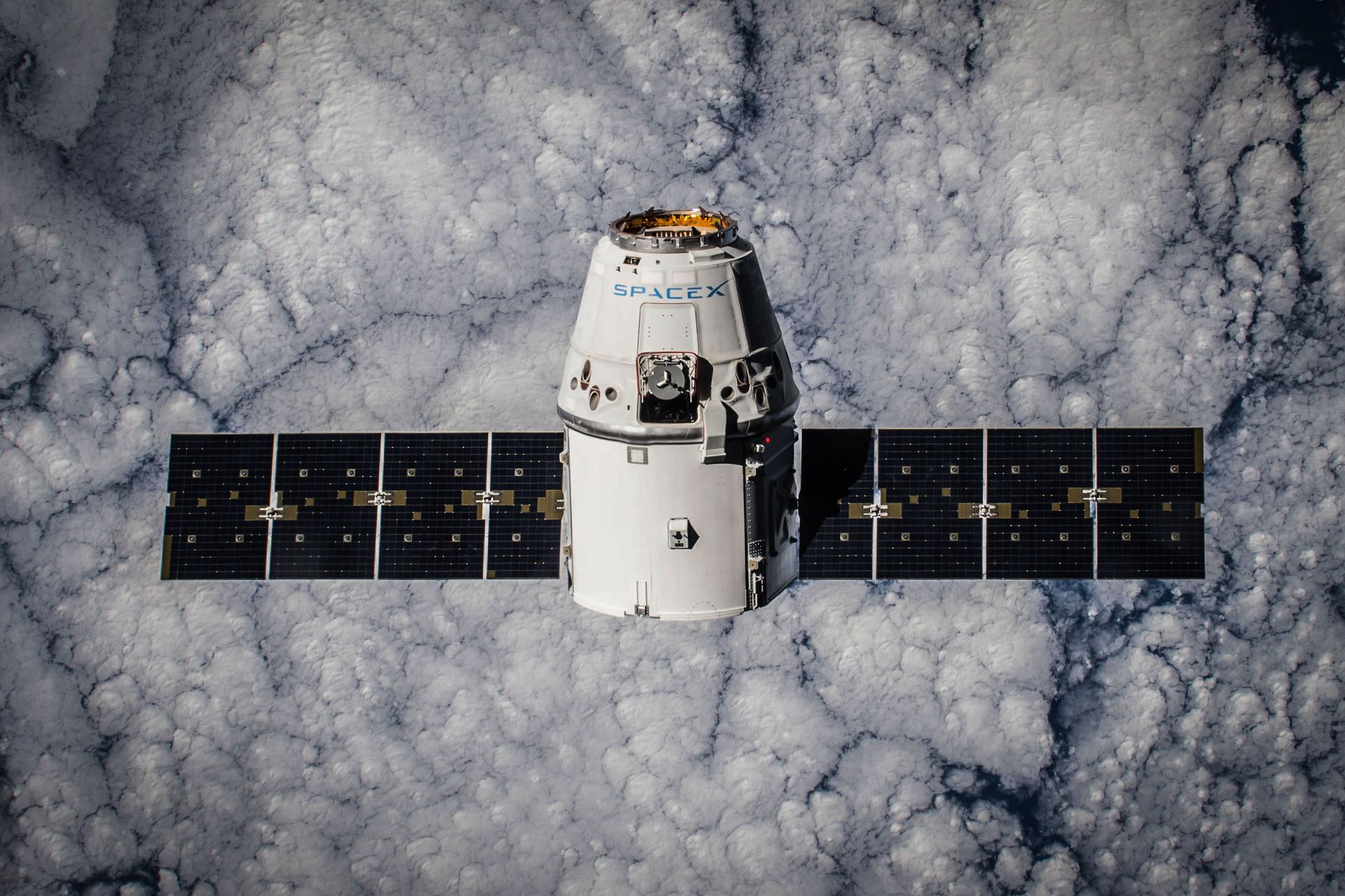
The GSLV-F17 satellite launch represents a significant milestone for ISRO, successfully deploying EOS-05, India’s first-ever geosynchronous imaging satellite.
Overview of the GSLV-F17 Mission
The recent GSLV-F17 satellite launch has marked a significant achievement for the Indian Space Research Organisation (ISRO). This mission successfully deployed the EOS-05 satellite, which is India’s first-ever geosynchronous imaging satellite. The launch took place from the Satish Dhawan Space Centre, demonstrating ISRO’s capability in launching advanced satellite technology.
The GSLV-F17 mission is not only noteworthy for its technical accomplishments but also for its potential impact on various sectors. The EOS-05 satellite is designed to enhance India’s capabilities in earth observation, providing critical data for agriculture, forestry, and disaster management. This mission strengthens India’s position in the global space market and showcases the nation’s growing expertise in satellite technology.
Key features of the GSLV-F17 mission include:
- Launch Date: The satellite was launched successfully on a specified date this month.
- Mission Objective: To deploy a satellite capable of high-resolution imaging.
- Technological Advancements: Utilization of indigenously developed technology, which signifies a leap in self-reliance.
- Future Prospects: The satellite is expected to support various applications and contribute to India’s development.
With the successful deployment of the EOS-05, the GSLV-F17 satellite launch is seen as a pivotal moment for ISRO, paving the way for future missions and innovations in space technology.
Significance of EOS-05 Satellite
The successful launch of the GSLV-F17 satellite marks a pivotal moment for the Indian Space Research Organisation (ISRO), particularly with the deployment of the EOS-05 satellite. This satellite is India’s first-ever geosynchronous imaging satellite, aimed at enhancing the country’s capabilities in Earth observation.
The significance of the EOS-05 satellite can be understood through several key aspects:
- Enhanced Imaging Capabilities: The EOS-05 is designed to provide high-resolution images of the Earth, which will greatly benefit applications in agriculture, forestry, and land use planning.
- Real-time Monitoring: With its advanced sensors, the satellite will facilitate real-time monitoring of natural disasters, helping in timely response and management efforts.
- Scientific Research: The satellite will contribute to various scientific studies by offering data crucial for climate change research and environmental monitoring.
- Strategic Advantage: By deploying the GSLV-F17 satellite, India enhances its position in the competitive field of satellite technology and strengthens its capabilities in securing vital information for national interests.
Overall, the GSLV-F17 satellite launch not only showcases ISRO’s technological advancements but also underscores the importance of the EOS-05 satellite in fostering a range of applications that support India’s developmental goals.
Technological Advances in Indian Spacecraft
The successful launch of the GSLV-F17 satellite marks a significant leap in technological advances for the Indian Space Research Organisation (ISRO). With its enhanced payload capacity and improved reliability, the GSLV-F17 mission symbolizes a new era in India’s space exploration endeavors.
Key technological innovations in the GSLV-F17 include:
- Indigenous Cryogenic Technology: The use of indigenous cryogenic upper stages has improved the vehicle’s performance, enabling it to carry heavier payloads into geosynchronous orbits.
- Advanced Launch Vehicle Configuration: The GSLV-F17 features an upgraded configuration that contributes to better stability and trajectory accuracy during launch.
- Enhanced Navigation Systems: The incorporation of sophisticated navigation and control systems ensures precise deployment of satellites, which is vital for mission success.
Moreover, the GSLV-F17 satellite launch has paved the way for future missions involving more complex and heavier payloads. As India aims to expand its capabilities in space, the successful deployment of EOS-05 via the GSLV-F17 demonstrates ISRO’s commitment to harnessing cutting-edge technology for national development and scientific advancement.
With each successful launch, ISRO is not only enhancing its reputation on the global stage but also inspiring a new generation of scientists and engineers to contribute to India’s growing space ambitions.
Future Prospects for ISRO
The successful launch of the GSLV-F17 satellite marks a significant step forward for the Indian Space Research Organisation (ISRO) and opens up numerous future prospects for the agency. As India continues to enhance its capabilities in space technology, the implications of this mission extend far beyond the immediate deployment of the EOS-05 satellite.
ISRO is poised to leverage the advancements demonstrated in the GSLV-F17 satellite launch to further its ambitions in various sectors, including:
- Satellite Communications: Enhanced imaging capabilities could improve telecommunication services and internet connectivity across remote areas of India.
- Disaster Management: The EOS-05 satellite’s ability to provide real-time data will be crucial in monitoring natural disasters and weather patterns, aiding in timely responses.
- Climate Research: With climate change becoming a pressing global concern, the satellite’s data can help in studying environmental changes and formulating effective policies.
- Commercial Opportunities: The success of the GSLV-F17 mission may attract international collaborations and commercial satellite launches, boosting India’s presence in the global space market.
As ISRO sets its sights on more ambitious projects, including crewed missions and interplanetary explorations, the GSLV-F17 satellite launch serves not only as a technological achievement but also as a catalyst for future innovations in India’s space endeavors.
Impact of Geosynchronous Satellites on India
The successful launch of the GSLV-F17 satellite marks a significant advancement in India’s space capabilities, particularly in the realm of geosynchronous satellites. These satellites play a crucial role in enhancing various sectors of the Indian economy and society.
Geosynchronous satellites, positioned approximately 36,000 kilometers above the Earth’s equator, maintain a consistent position relative to the planet’s surface. This unique attribute allows for continuous monitoring and communication, making them indispensable for several applications:
- Telecommunications: Geosynchronous satellites are essential for providing reliable communication services across vast distances, ensuring connectivity in remote areas.
- Weather Forecasting: These satellites offer real-time data, aiding in accurate weather predictions, which is vital for agriculture and disaster management.
- Navigation: They contribute to global positioning systems, enhancing transportation and logistics efficiency.
- Surveillance: Geosynchronous satellites assist in monitoring environmental changes and border security, providing critical information to policymakers.
The deployment of the EOS-05 satellite via the GSLV-F17 not only strengthens India’s position in space technology but also enhances its ability to address pressing challenges. As India continues to invest in its space program, the impact of geosynchronous satellites will likely expand, driving growth and innovation across multiple sectors.
The GSLV-F17 satellite launch marks a significant achievement for ISRO, showcasing their advancements in space technology. As the GSLV-F17 satellite launch successfully places the satellite in orbit, it opens new avenues for research and communication.
Photo by SpaceX on Pexels