








Satellite launch vehicle development is at the forefront of global space innovation. India and Brazil have teamed up with Skyroot Aerospace to create a cutting-edge solution for the international market.
Overview of the Collaboration
In a significant step towards enhancing capabilities in the global space market, India and Brazil have partnered with Skyroot Aerospace to develop a new satellite launch vehicle. This collaboration aims to leverage the technological expertise and resources of each participant to create a robust and efficient system for satellite deployment.
The joint venture highlights the growing importance of international cooperation in the field of aerospace, particularly as demands for satellite launches increase worldwide. By combining India’s emerging space technology sector with Brazil’s expansive market potential, the partnership seeks to address various challenges faced by current launch systems.
Key objectives of the collaboration include:
- Developing a cost-effective satellite launch vehicle that meets diverse customer needs.
- Enhancing the reliability and frequency of satellite launches.
- Expanding access to space for small and medium-sized enterprises.
Skyroot Aerospace, known for its innovative approach and advanced technologies, is poised to play a crucial role in this initiative. The collaboration not only aims to create a competitive edge in the satellite launch market but also emphasizes sustainable practices and the use of environmentally friendly materials.
This partnership marks a pivotal moment in the ongoing evolution of space exploration, showcasing how collaborative efforts can lead to groundbreaking developments and a more interconnected global space industry.
Importance of Satellite Launch Vehicles
The development of satellite launch vehicles is crucial for the advancement of space exploration and technology. These vehicles serve as the backbone of space missions, enabling the deployment of satellites that enhance communication, weather forecasting, and scientific research. With the increasing demand for satellite services globally, the importance of efficient and cost-effective satellite launch vehicles cannot be overstated.
India’s collaboration with Brazil and Skyroot Aerospace marks a significant step forward in the competitive landscape of the global space market. This partnership aims to create a robust satellite launch vehicle that caters to various needs, from small satellite launches to larger missions. The initiative underscores the growing trend of international cooperation in space technology, which is vital for pooling resources and expertise.
Key advantages of developing advanced satellite launch vehicles include:
- Increased Access: More vehicles lead to greater opportunities for different nations and organizations to access space.
- Cost Efficiency: Innovative designs and technologies can reduce the cost of launching satellites.
- Enhanced Capabilities: Newer vehicles can carry heavier payloads and reach diverse orbits.
As nations invest in their space programs, the role of satellite launch vehicles will be pivotal in shaping the future of global space endeavors. This collaboration could set a precedent for future partnerships and technological developments in the industry.
Skyroot Aerospace’s Role
Skyroot Aerospace, a pioneering space technology startup based in India, is at the forefront of developing innovative satellite launch vehicles that aim to revolutionize the global space market. The collaboration with Brazil represents a significant step towards enhancing capabilities in satellite deployment and fostering international partnerships in space exploration.
Founded in 2018, Skyroot Aerospace has quickly made a name for itself by focusing on the design and manufacturing of cost-effective and efficient launch vehicles. Their flagship product, Vikram, is specifically engineered to cater to the growing demand for small satellite launches, which have seen a surge in recent years due to advancements in technology and the increasing necessity for satellite-based services.
The collaboration with Brazil not only benefits both nations but also positions Skyroot as a key player in the evolution of satellite launch vehicles. By combining expertise and resources, the partnership aims to create a robust framework for launching satellites, thus enhancing access to space for various applications, including communication, earth observation, and scientific research.
Moreover, the joint endeavor emphasizes the importance of sustainable practices in space activities, ensuring that the emerging satellite launch vehicle technologies are environmentally friendly. As Skyroot continues to innovate, it is poised to play a pivotal role in shaping the future of space exploration and satellite deployment on a global scale.
India and Brazil’s Space Ambitions
India and Brazil are making significant strides in the global space arena by collaborating on the development of a new satellite launch vehicle. This partnership aims to leverage the strengths of both nations in space technology, enhancing their capabilities in launching satellites into orbit.
The collaboration seeks to address the growing demand for reliable and cost-effective launch services in the international market. As countries and private entities increasingly look to deploy satellites for various purposes, including communication, weather forecasting, and environmental monitoring, the need for an efficient satellite launch vehicle becomes paramount.
In particular, Brazil views this partnership as a strategic move to bolster its space program, which has historically faced challenges in securing launch services. By teaming up with India, a country known for its successful space missions and advanced technology, Brazil hopes to build a robust framework for its own space initiatives.
Additionally, the collaboration is expected to create opportunities for technology transfer and knowledge sharing, benefiting both nations. This joint effort aligns with the global trend of international cooperation in space exploration and satellite deployment, positioning India and Brazil as key players in the expanding space market.
As this partnership unfolds, it will be intriguing to see how these nations combine their resources and expertise to develop a satellite launch vehicle that meets the growing demands of the space industry.
Potential Impact on Global Space Market
The collaboration between India, Brazil, and Skyroot Aerospace to develop a new satellite launch vehicle has the potential to significantly impact the global space market. As countries increasingly recognize the importance of satellite technology for communication, weather forecasting, and disaster management, the demand for reliable and cost-effective launch solutions continues to grow.
With the advancements in satellite launch vehicles, several key benefits can be anticipated:
- Increased Accessibility: The new launch vehicle is expected to lower the barriers for smaller nations and private companies looking to deploy satellites, fostering innovation and growth in the space sector.
- Cost Efficiency: By streamlining the design and manufacturing processes, the collaboration aims to provide a more affordable option for satellite launches, making space more accessible to a broader range of clients.
- International Collaboration: This partnership showcases the potential for countries to work together in developing technologies that benefit the global community, promoting shared knowledge and resources.
- Market Competitiveness: As new entrants like Skyroot Aerospace emerge, established players in the space launch industry may need to adapt, leading to a more competitive market that ultimately benefits customers.
In conclusion, the development of this satellite launch vehicle could play a crucial role in shaping the future of space exploration and commercial opportunities, positioning both India and Brazil as significant contributors to the global space economy.
Technological Innovations in Satellite Launch
The collaboration between India and Brazil, spearheaded by Skyroot Aerospace, promises to bring forth significant technological innovations in the realm of satellite launch vehicles. This partnership aims to leverage cutting-edge technology to enhance the efficiency and reliability of satellite deployment, presenting a transformative solution for global space endeavors.
One of the key innovations anticipated is the development of reusable launch systems, which could drastically reduce the cost of satellite launches. By allowing components of the launch vehicle to be recovered and reused, the environmental impact is also expected to decrease, making space exploration more sustainable.
Moreover, the integration of advanced materials and propulsion systems is set to improve the performance metrics of the satellite launch vehicle. These enhancements will not only enable heavier payloads but also enhance the accuracy of satellite placement in orbit, which is crucial for applications ranging from telecommunications to earth observation.
In addition, the emphasis on modular design could facilitate more flexible launch capabilities, accommodating a range of satellite sizes and types. This adaptability will be vital as global demand for satellite services continues to rise.
As countries around the world increasingly invest in their own space programs, the innovations stemming from this collaboration could position India and Brazil as leaders in the competitive satellite launch market, paving the way for a new era in space exploration and utilization.
Future of Space Exploration
The future of space exploration is increasingly intertwined with advancements in satellite launch vehicles. As countries like India and Brazil collaborate, the potential for innovative solutions to emerge becomes more significant. The development of these vehicles not only enhances capabilities for launching satellites but also opens new avenues for scientific research and commercial opportunities.
One of the key aspects of future space missions will be the emphasis on sustainability and cost-effectiveness. With the growing demand for satellite deployment, especially in sectors like telecommunications and Earth observation, having reliable satellite launch vehicles will be crucial. This demand will likely stimulate further technological innovations, ensuring that countries remain competitive in the global space market.
Moreover, the collaboration between nations can lead to shared knowledge and resources, ultimately benefiting the entire space community. As these partnerships evolve, they may pave the way for joint missions to explore the Moon, Mars, and beyond. Future exploration efforts could focus on not only scientific discovery but also the establishment of sustainable human presence in space.
In this context, the role of private players like Skyroot Aerospace becomes increasingly important. Their expertise in developing satellite launch vehicles can significantly contribute to the efficiency and reliability of future missions. As the landscape of space exploration changes, it will be fascinating to see how these developments shape our understanding of the universe.
Investment Opportunities in Aerospace
The collaboration between India, Brazil, and Skyroot Aerospace marks a significant turning point in the aerospace sector, opening up numerous investment opportunities that could reshape the future of space exploration. With the increasing demand for satellite launch vehicles, investors are keenly eyeing this burgeoning market.
Several factors contribute to the attractiveness of investing in aerospace:
- Growing Market Demand: The global demand for satellite launch services is projected to rise as countries and private entities seek to deploy more satellites for communication, observation, and research.
- Technological Advancements: Innovations in launch vehicle technology, including reusable rockets and smaller, more efficient designs, enhance the viability and reduce costs associated with space missions.
- Strategic Partnerships: Collaborations between nations and private companies, as seen with India and Brazil, create synergies that can streamline development and increase market reach.
- Government Support: Many governments are prioritizing investments in space technology, offering grants and incentives that can further stimulate growth in the sector.
As the space race evolves, the focus on satellite launch vehicles not only supports national ambitions but also presents a lucrative opportunity for investors looking to capitalize on this dynamic field. With the right investments, the potential for financial returns could be as vast as the universe itself.
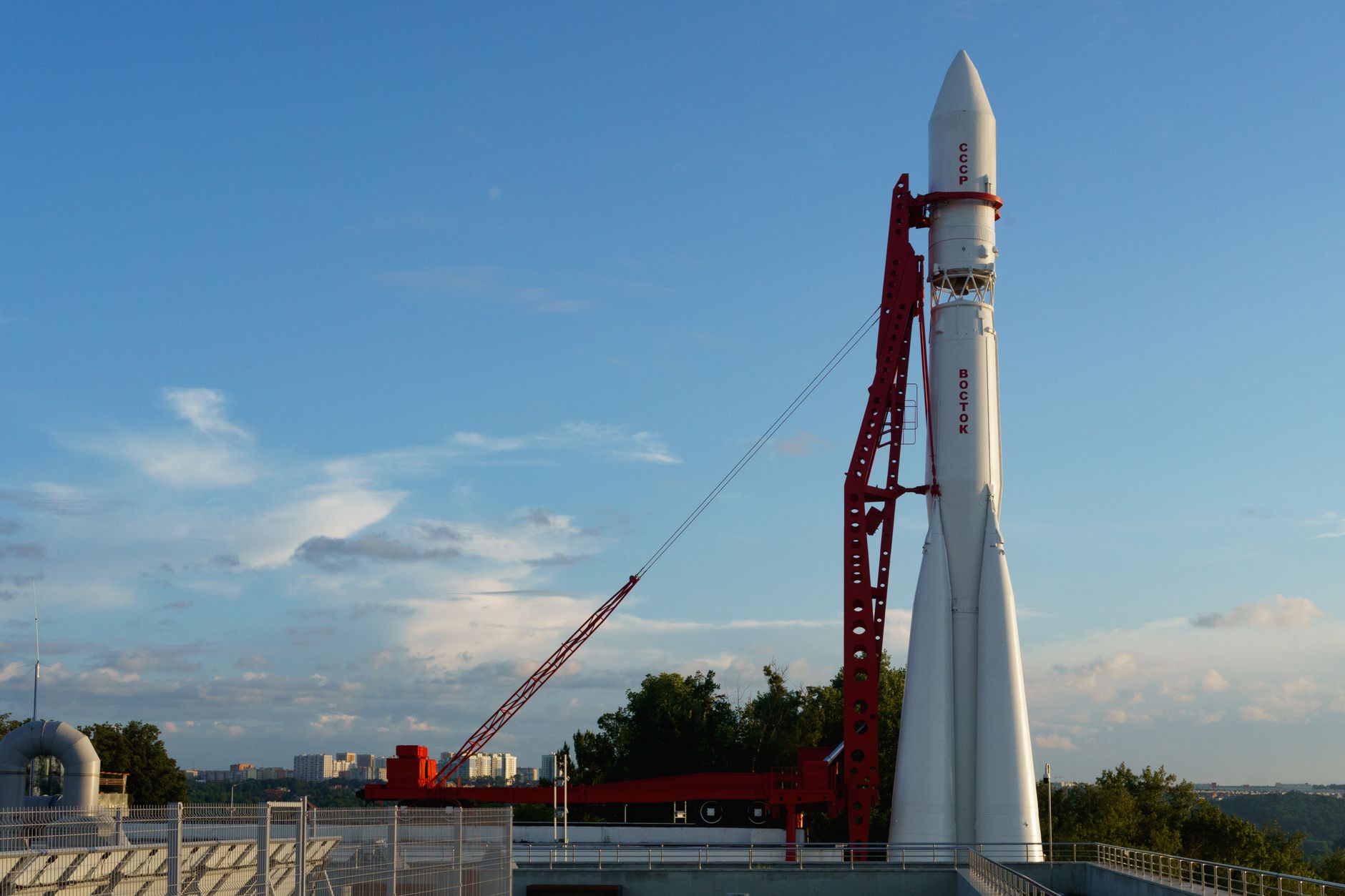
The satellite launch vehicle has revolutionized the way we send payloads into orbit, making space more accessible than ever before. As technology advances, the efficiency and reliability of the satellite launch vehicle continue to improve, sparking discussions about its potential as the best solution for future space missions.
Photo by Nikita Kulikov on Pexels
Where this came from
Republic World · Satellite launch vehicle
Related stories
AI power needs: The Worst Proven Challenges Ahead · Is the AI portfolio steering application the Best Smart Tool? · OnePlus 12 ColorOS 17 Update: The Best Proven Features