









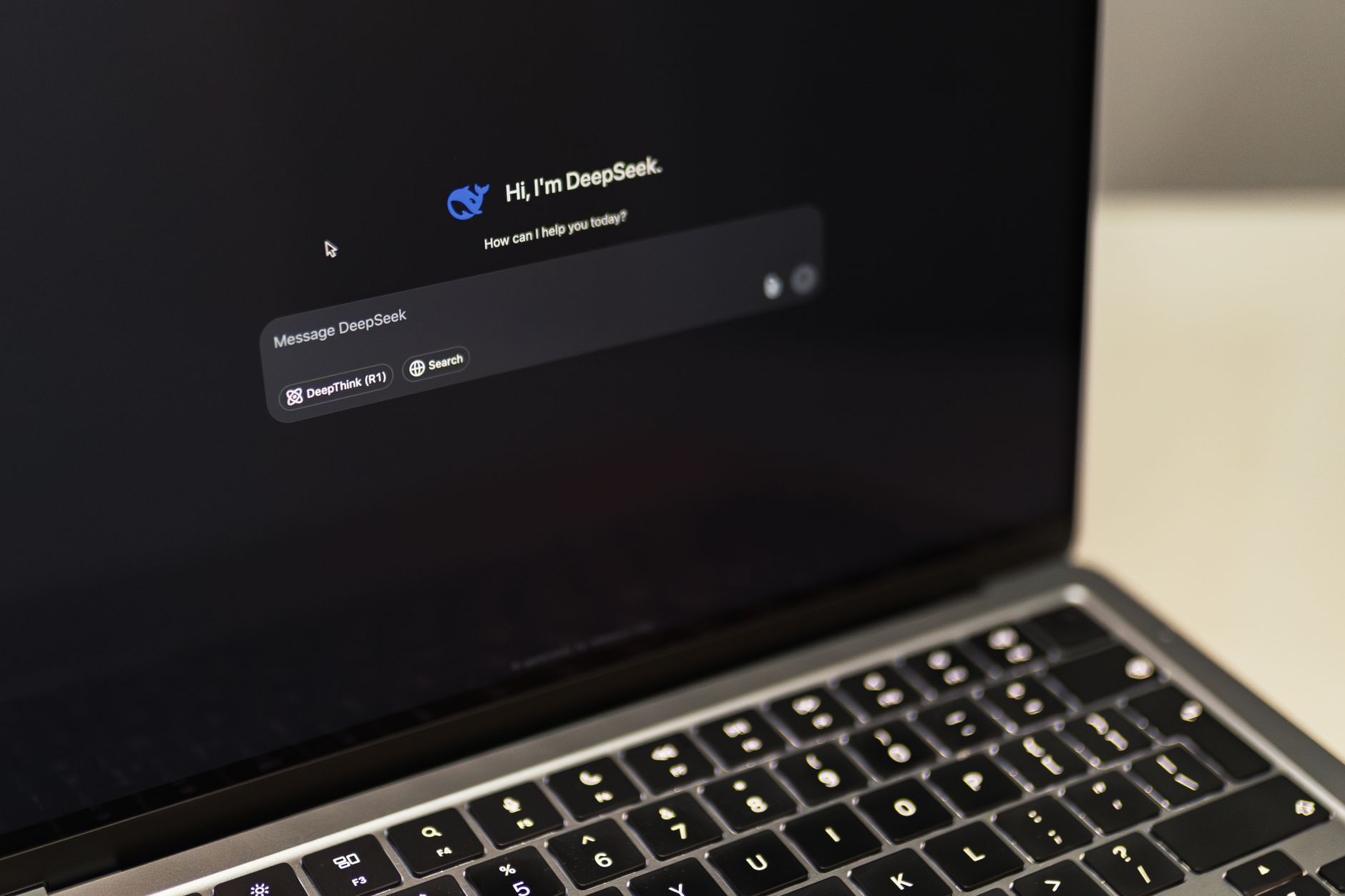
The GPT-6 Sol Leak has surfaced the same day Anthropic launches Opus 5.5, raising significant concerns in the tech community.
What is the GPT-6 Sol Leak?
The recent GPT-6 Sol Leak has sent shockwaves through the tech community, raising concerns about the security of proprietary information. This incident emerged on the same day that Anthropic launched its Opus 5.5 model, creating a juxtaposition of advancements and setbacks in artificial intelligence.
The GPT-6 Sol Leak reportedly contains sensitive details about the upcoming GPT-6 model, including its architecture, performance metrics, and potential applications. Many industry experts are alarmed by the implications of such a leak, as it not only compromises the competitive edge of the developers but also raises questions about the integrity of AI development processes.
As speculation grows regarding the source of the leak, several key issues have come to light:
- Security Breach: The leak highlights vulnerabilities in data protection within tech companies.
- Market Impact: Competitors may exploit this information to accelerate their own projects.
- Trust Erosion: Users and investors may begin to lose confidence in the companies responsible for these technologies.
As the situation unfolds, the ramifications of the GPT-6 Sol Leak will likely reshape discussions about security and innovation in the tech sector.
Anthropic’s Opus 5.5 Launch Explained
In a surprising turn of events, Anthropic launched its highly anticipated Opus 5.5 on the same day the GPT-6 Sol Leak surfaced, raising questions about the timing and implications for both companies. Anthropic’s Opus 5.5 aims to enhance AI safety and user interaction, building on its predecessors with improved capabilities and ethical considerations.
Opus 5.5 features several advancements, including:
- Enhanced Natural Language Understanding: The model is designed to better comprehend context and nuances in human language, allowing for more meaningful interactions.
- Safety Features: Anthropic has prioritized user safety, implementing measures to reduce harmful outputs and promote responsible AI usage.
- Customization Options: Users can now tailor the model’s responses based on specific needs, enhancing its versatility in various applications.
Despite these advancements, the emergence of the GPT-6 Sol Leak has overshadowed Opus 5.5’s launch. Industry analysts speculate that the leak could have significant ramifications for the AI landscape, potentially influencing public perception and regulatory scrutiny. As both companies navigate this turbulent environment, the tech community watches closely to see how these developments will shape the future of artificial intelligence.
Reactions to the GPT-6 Sol Leak
The recent GPT-6 Sol Leak has sparked a wave of reactions across the tech community, highlighting concerns over data privacy and the implications of such leaks on artificial intelligence development.
Many industry experts have expressed their dismay, fearing that the leak could undermine public trust in AI technologies. A prominent AI researcher stated, “This incident raises serious questions about the security measures in place at leading tech firms.”
In contrast, some advocates of open-source technology argue that leaks can accelerate innovation. “While it’s unfortunate, the leak could lead to faster iterations and improvements in AI systems,” remarked a tech analyst.
Social media platforms have been abuzz with discussions, as users weigh in on the potential consequences of the leak. Key points of concern include:
- Potential misuse of leaked information by competitors.
- Impact on ongoing projects and future developments.
- Consequences for regulatory scrutiny and ethical AI practices.
As the dust settles, it remains to be seen how the GPT-6 Sol Leak will influence not only the trajectory of ongoing AI research but also the public perception of technology companies as stewards of sensitive information.
Implications for AI Development
The recent GPT-6 Sol Leak has raised significant concerns regarding the trajectory of AI development. As companies strive to innovate and create advanced models, incidents like this can have detrimental effects on the public’s trust in artificial intelligence.
One major implication of the leak is the potential slowdown in research and investment. Stakeholders may become hesitant to fund new projects, fearing that proprietary information could be compromised. This could lead to:
- Increased Scrutiny: Developers may face more rigorous regulations as policymakers aim to protect sensitive information.
- Competitive Disadvantages: Companies that invest heavily in research might find their advancements undermined by leaked information.
- Innovation Stagnation: A cautious approach may stifle creativity, as teams may prioritize security over exploration.
Furthermore, the GPT-6 Sol Leak raises ethical questions about the responsibility of AI companies in safeguarding their technologies. As the industry grapples with these challenges, balancing transparency and security will be crucial for fostering a healthy environment for AI growth.
Ultimately, the long-term effects of the GPT-6 Sol Leak could reshape how developers approach the future of artificial intelligence, leading to a more cautious yet possibly less innovative landscape.
How Does GPT-6 Compare to Opus 5.5?
The recent GPT-6 Sol Leak has sparked discussions about how this upcoming model compares to Anthropic’s Opus 5.5, which was launched on the same day. While both models represent significant advancements in artificial intelligence, their approaches and functionalities differ markedly.
One of the most notable distinctions lies in their architecture. GPT-6 is expected to feature enhanced neural network capabilities, aimed at improving context understanding and response generation. In contrast, Opus 5.5 emphasizes safety and alignment with human values, a key concern for many in the AI community.
- Performance: Early benchmarks suggest that GPT-6 may outperform Opus 5.5 in raw processing power and language understanding.
- Safety Features: Opus 5.5 incorporates advanced safety measures, making it more suitable for sensitive applications.
- Use Cases: GPT-6 is positioned as a versatile tool for a wide range of applications, while Opus 5.5 targets specific domains requiring heightened ethical considerations.
As both models evolve, the implications of the GPT-6 Sol Leak and Anthropic’s latest offering will undoubtedly shape the future landscape of AI technology.
Expert Opinions on the Leak
Experts in the field of artificial intelligence have voiced their concerns regarding the implications of the GPT-6 Sol Leak, with many considering it a significant setback for tech advancement. Dr. Emily Carter, a leading AI researcher, stated, “This leak could undermine years of research and development, eroding trust in AI systems.”
Furthermore, Professor Mark Liu emphasized the potential for increased scrutiny by regulatory bodies. “The GPT-6 Sol Leak raises questions about data integrity and privacy, which are crucial in maintaining public confidence in AI technologies,” he noted.
Some industry insiders believe that the leak may spur innovation rather than hinder it. Lisa Tran, a technology analyst, remarked, “While it’s undoubtedly a setback, it might push companies to improve security measures and transparency in their projects.”
However, the overwhelming sentiment remains one of caution. Dr. Raj Patel warned that “the GPT-6 Sol Leak could set a precedent for future breaches, making it essential for developers to prioritize ethical considerations in AI.”
As the industry grapples with the fallout, the true extent of the GPT-6 Sol Leak’s impact on technology and society will unfold in the coming months.
Future of AI After These Developments
The recent GPT-6 Sol Leak has raised significant concerns about the trajectory of artificial intelligence technology. As industry experts analyze the ramifications, it becomes clear that the future of AI may hinge on the lessons learned from this incident. The leak not only exposes vulnerabilities in current AI models but also prompts a re-evaluation of security protocols within AI development teams.
One immediate impact of the leak is the potential slowdown in innovation as companies reassess their strategies to avoid similar breaches. Developers may prioritize security over rapid deployment, leading to longer development cycles for future AI models. This could result in a temporary lull in groundbreaking advancements, especially as competitors like Anthropic continue to unveil new technologies, such as Opus 5.5.
Moreover, the leak has sparked a broader conversation about ethical considerations in AI. Companies may feel pressured to implement stricter guidelines and transparency measures to regain public trust. As the landscape evolves, stakeholders will need to balance the dual mandates of innovation and responsibility.
Ultimately, the future of AI after these developments will likely be marked by a more cautious approach, with an emphasis on securing the integrity of the technology while maintaining the pace of progress.
Photo by Matheus Bertelli on Pexels
Sources
AI Benchmarking Startup Vals Secures $40M Series A Funding · Zephyr RTOS support: Best Long-Term Support Version Announced · Is the iQOO Z11 Lite 5G the Best Budget Phone?