









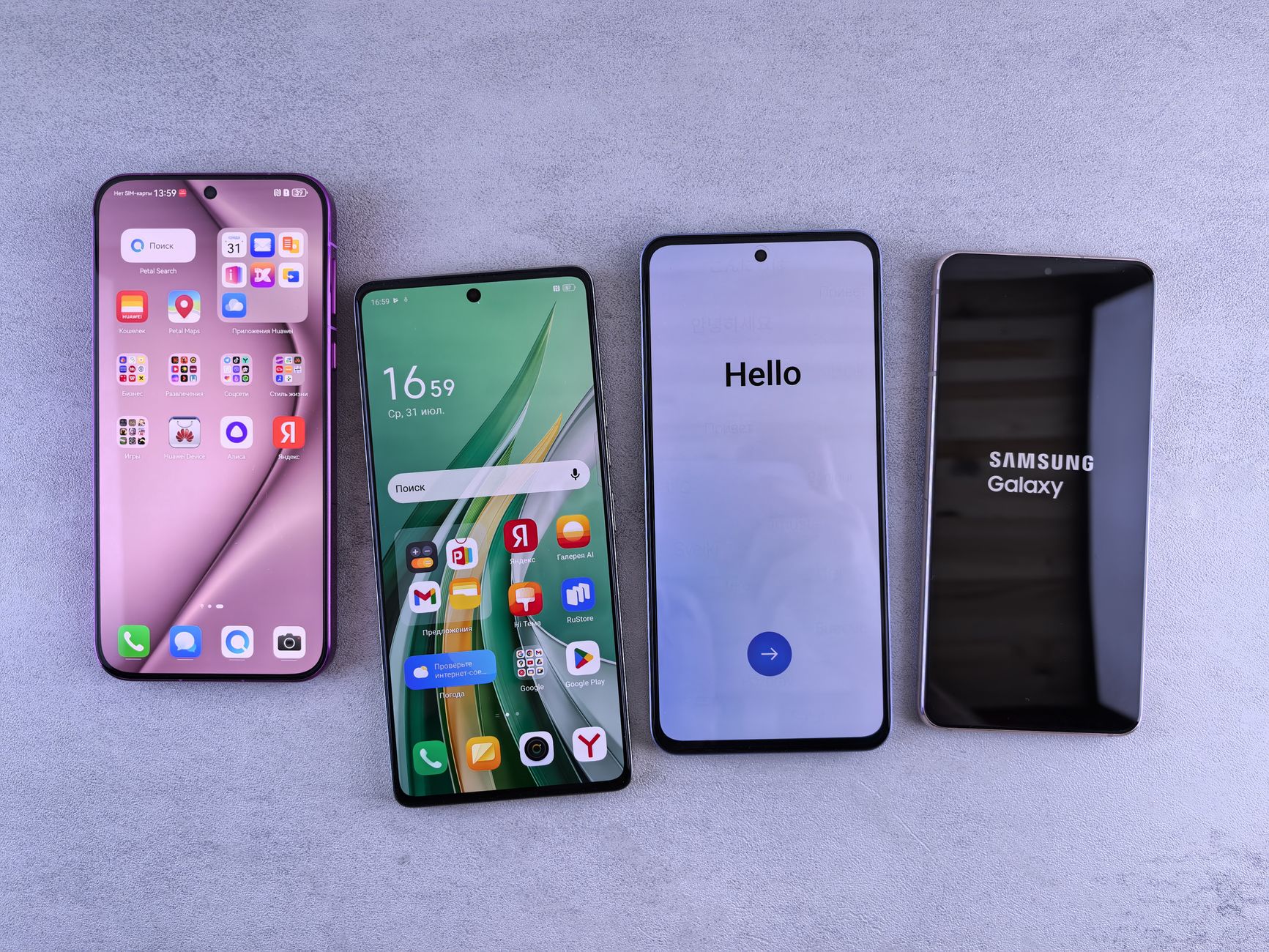
Samsung Galaxy S26 prices are set to increase as memory costs surge, impacting consumers looking to purchase the latest device. This shift in pricing could affect market dynamics significantly.
What Causes Memory Cost Increases?
The rising prices of the Samsung Galaxy S26 are significantly influenced by various factors related to memory costs. Understanding these causes is essential for consumers and industry watchers alike.
One of the primary reasons for the increase in memory costs is the ongoing demand for high-performance chips. As smartphones become more advanced, manufacturers require better memory solutions to support enhanced functionalities. Additionally, the global supply chain disruptions caused by recent geopolitical tensions have exacerbated the situation, leading to shortages and increased costs.
Another contributing factor is the rising production costs of memory chips themselves. Manufacturers are facing challenges such as:
- Increased raw material prices: The cost of essential materials used in memory production has surged.
- Technological upgrades: Companies are investing heavily in new manufacturing technologies to keep up with market demands.
- Economic fluctuations: Inflation and changes in currency values can affect pricing structures globally.
As a result, potential buyers of the Samsung Galaxy S26 should brace for the possibility of higher prices, as these memory cost increases may lead to a surge in retail prices for the latest smartphone models.
Impact on Samsung Galaxy S26 Pricing
The increasing cost of memory components has led to concerns regarding the Samsung Galaxy S26 prices. Analysts predict that a significant surge in memory costs could impact the overall pricing strategy for this highly anticipated smartphone.
As manufacturers grapple with higher costs, consumers may face a tough decision when it comes to upgrading their devices. The rise in memory prices can be attributed to several factors, including:
- Supply Chain Disruptions: Ongoing global supply chain issues have made it challenging for manufacturers to secure necessary components.
- Increased Demand: With more devices being produced, the demand for high-quality memory has skyrocketed.
- Technological Advancements: Newer technologies require more advanced memory solutions, leading to increased production costs.
Given these factors, it is likely that the Samsung Galaxy S26 will see a price increase as the company seeks to maintain profit margins in a competitive market. Consumers may need to prepare for higher prices than initially expected, as the financial implications of memory cost surges ripple through the electronics industry.
Consumer Reactions to Price Changes
As news of the rising memory costs spreads, consumers are expressing a mix of concern and frustration regarding the anticipated Samsung Galaxy S26 prices. Many potential buyers are voicing their opinions on social media platforms, highlighting their disappointment over the likelihood of higher costs for the upcoming model.
One consumer stated, “I was really looking forward to upgrading to the Galaxy S26, but if the prices go up significantly, I might have to reconsider my options.” This sentiment is echoed by numerous users who feel that the continuous increase in smartphone prices could make premium models less accessible.
In response to the expected price surge, some consumers are exploring alternative brands or older models, hoping to find better value for their money. Others are urging Samsung to maintain competitive pricing despite rising costs, emphasizing the importance of affordability in today’s market.
With discussions around the Samsung Galaxy S26 prices heating up, it remains to be seen how these market reactions will influence Samsung’s pricing strategy for its highly anticipated new device.
Comparison with Previous Galaxy Models
As the tech industry braces for the impact of rising memory costs, a comparison with previous Galaxy models reveals a concerning trend for consumers considering the Samsung Galaxy S26 prices. In recent years, the Galaxy lineup has seen significant price fluctuations, primarily driven by changes in component sourcing and manufacturing costs.
Historically, the Galaxy S series has offered competitive pricing, with each new model generally priced similarly to its predecessor. However, the anticipated surge in memory costs has raised alarms for the upcoming Galaxy S26. Here’s how the prices of recent models stack up:
- Galaxy S23: Launched at a starting price of $799, it was well-received for its balance between performance and affordability.
- Galaxy S25: Saw a slight increase, priced at $849, yet still maintained a loyal customer base.
- Galaxy S26: Forecasted to exceed the $900 mark due to escalating memory costs, making it the most expensive model yet.
This shift not only reflects the rising costs of production but also raises questions about the sustainability of consumer demand for premium devices in a competitive market.
Market Trends in Smartphone Pricing
The smartphone market is experiencing significant shifts, particularly in the realm of pricing due to various economic factors. As manufacturers grapple with rising production costs, consumers are beginning to feel the impact. Analysts predict that the Samsung Galaxy S26 prices may rise significantly, with many attributing this surge to escalating memory costs.
Market trends indicate that the average selling price of smartphones has been on an upward trajectory, largely influenced by the following factors:
- Increased Manufacturing Costs: The costs associated with raw materials and components have surged, causing manufacturers to adjust their pricing strategies.
- Technological Advancements: As devices become more advanced, the price points often reflect the added features and capabilities, making high-end models like the Samsung Galaxy S26 more expensive.
- Supply Chain Disruptions: Ongoing global supply chain issues have led to shortages, further driving up prices across the board.
Consumers are becoming more discerning, often weighing the value of new features against the rising costs. In this volatile market, the Samsung Galaxy S26 prices will likely be a telling indicator of broader trends in the smartphone industry.
The recent fluctuations in the semiconductor market have led to a notable increase in production costs, directly impacting Samsung Galaxy S26 prices. As consumers await the official launch, analysts predict that Samsung Galaxy S26 prices may continue to rise if memory costs do not stabilize soon.
Photo by Andrey Matveev on Pexels