









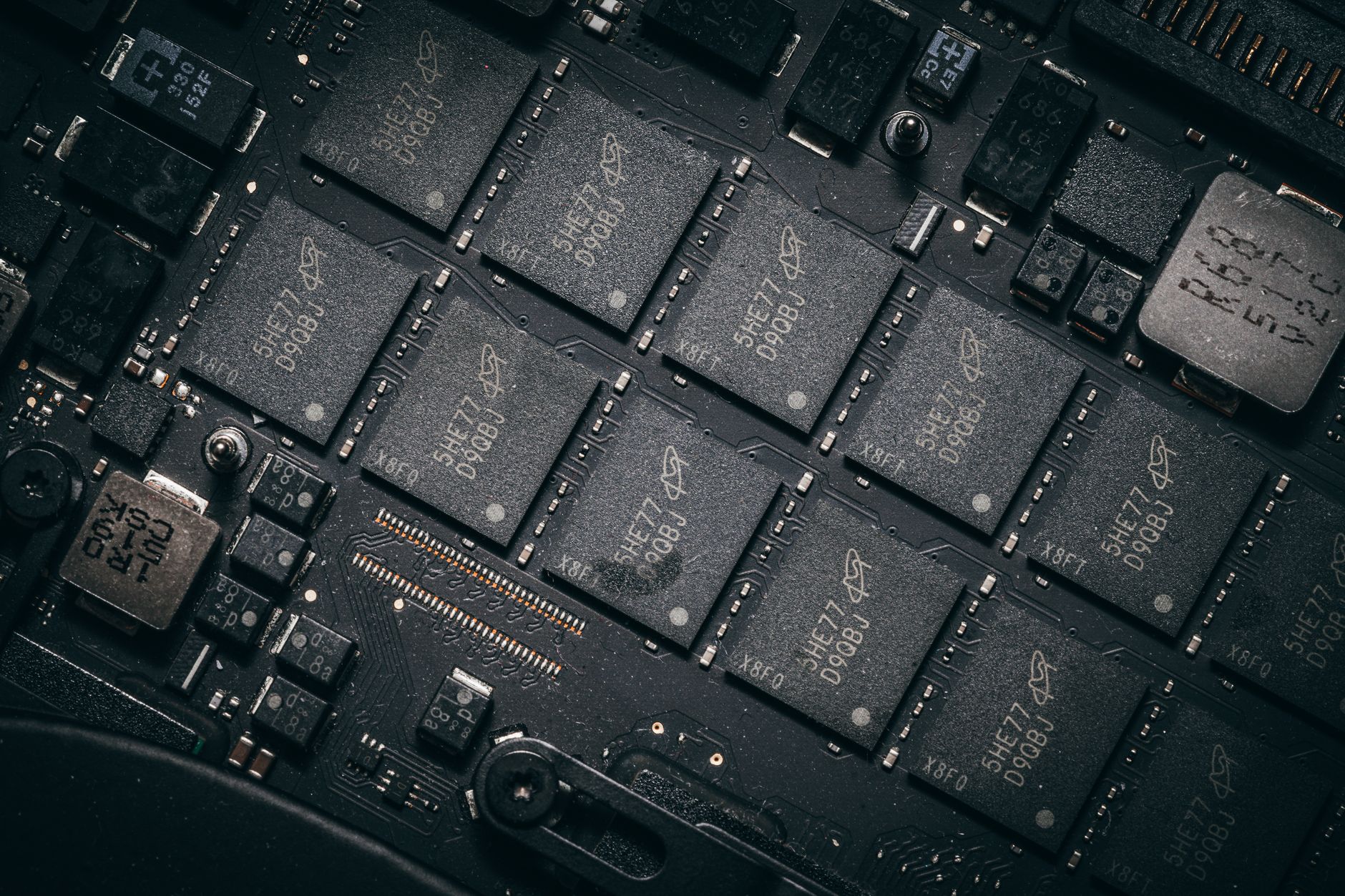
operational semiconductor units are now a reality in India, with five units in production, setting the stage for a booming $200 billion market.
India’s Semiconductor Strategy
India’s semiconductor strategy has gained significant momentum as the country now boasts five operational semiconductor units, marking a pivotal step toward achieving a $200 billion market. The government’s proactive approach includes substantial investments and policy reforms aimed at fostering the semiconductor ecosystem.
To support this burgeoning industry, the Indian government has introduced various incentives and initiatives, including:
- Financial Assistance: Substantial funding is being allocated to domestic companies to enhance their manufacturing capabilities.
- Regulatory Support: Streamlined regulations are being implemented to facilitate ease of doing business in the semiconductor sector.
- Research and Development: Increased focus on R&D to drive innovation and improve the competitiveness of Indian semiconductor products.
- Global Collaborations: Partnerships with international firms aim to leverage advanced technologies and expertise.
As a result, these operational semiconductor units are expected to play a crucial role in not only meeting domestic demand but also positioning India as a key player in the global semiconductor market. The combination of strategic initiatives and a skilled workforce places India on a clear path to capitalize on this rapidly growing sector, ultimately contributing to the envisioned $200 billion market.
Impact of Semiconductor Units on Economy
The emergence of operational semiconductor units in India is poised to significantly impact the economy. With five units now functioning, the nation is on track to capture a substantial portion of the global semiconductor market, projected to reach $200 billion. This growth can be attributed to several factors that enhance both local manufacturing capabilities and international competitiveness.
Firstly, the establishment of these units promotes job creation, fostering a skilled workforce in advanced technology fields. This transition not only provides employment opportunities but also encourages innovation and research, vital for long-term economic sustainability.
Secondly, the operational semiconductor units are expected to reduce dependency on imports, leading to improved trade balances. By producing semiconductors domestically, India can minimize supply chain vulnerabilities, which have been highlighted during recent global disruptions.
Additionally, the growth of this sector will stimulate other related industries, such as electronics and automotive, which heavily rely on semiconductors. As a result, a ripple effect will enhance overall industrial productivity.
In conclusion, the establishment and expansion of operational semiconductor units is not just a technical advancement; it represents a clear path toward economic resilience and a stronger position in the global market.
Key Players in India’s Semiconductor Market
As India aims to solidify its presence in the global semiconductor industry, several key players are emerging in the operational semiconductor units landscape. These companies are pivotal in driving innovation and production capacity within the country.
- Tata Group: With substantial investments in semiconductor technology, Tata Group is at the forefront of establishing a robust manufacturing ecosystem.
- Wistron: This Taiwanese firm has partnered with local entities to enhance production capabilities and leverage India’s skilled workforce.
- Intel: A significant player in the semiconductor sector, Intel plans to expand operations in India, contributing to the country’s ambition of becoming a global manufacturing hub.
- Qualcomm: Focusing on design and technology, Qualcomm is investing in research and development to support India’s semiconductor goals.
- ISMC: The Indian Semiconductor Manufacturing Company is working on setting up fabrication units to produce chips, thus contributing to the operational semiconductor units in India.
These companies are not only investing in cutting-edge technologies but also collaborating with the government and local industries to enhance the overall semiconductor supply chain. With these efforts, India is steadily progressing towards a $200 billion market, aiming to become a significant player in the global semiconductor arena.
Future of Semiconductor Production in India
The future of semiconductor production in India looks promising as the nation aims to expand its capabilities in the global semiconductor market. With the establishment of five operational semiconductor units, India is strategically positioning itself to tap into the projected $200 billion market. This growth is driven by a combination of government initiatives and investments from both domestic and international players.
One of the key factors influencing this trajectory is the increased demand for semiconductors across various sectors, including consumer electronics, automotive, and telecommunications. As industries evolve and rely more on advanced technologies, the need for operational semiconductor units becomes even more critical.
India’s approach involves not only enhancing manufacturing capacity but also fostering innovation and research within the semiconductor ecosystem. The government is actively encouraging collaboration between industry stakeholders, educational institutions, and research organizations to build a robust supply chain.
In addition, India is focusing on creating a skilled workforce capable of meeting the demands of semiconductor production. Initiatives aimed at training and development are essential to ensure that the country can sustain its growth and maintain competitiveness in the global market.
As India continues to invest in its semiconductor infrastructure, the potential for becoming a leader in this crucial sector is within reach.
Challenges Facing Semiconductor Manufacturing
The operational semiconductor units in India are making strides, but they face several challenges that could hinder progress towards the anticipated $200 billion market. One major issue is the high cost of investment required to establish and maintain these facilities. As the demand for advanced semiconductor technology grows, so does the need for significant financial backing to keep pace with global competitors.
Another challenge is the skilled workforce shortage. The semiconductor industry requires highly specialized expertise, and while India has a large pool of engineering graduates, there is a gap in practical experience and knowledge in semiconductor manufacturing processes.
Furthermore, supply chain vulnerabilities pose a significant threat. The reliance on imported materials and equipment can lead to delays and increased costs, impacting the efficiency of operational semiconductor units. Additionally, geopolitical tensions can disrupt supply lines, making it essential for India to develop a more resilient domestic supply chain.
Lastly, there is the issue of regulatory hurdles. Navigating the complex landscape of policies and regulations can be time-consuming and may deter potential investors from supporting semiconductor initiatives. Addressing these challenges is crucial for India to capitalize on its semiconductor ambitions.
Operational Semiconductor Units: A Game Changer
The emergence of operational semiconductor units in India marks a significant milestone in the country’s technological landscape. With five units now functional, these facilities are poised to transform not only the manufacturing sector but also the broader economy. As India sets its sights on a $200 billion market, the impact of these operational semiconductor units cannot be overstated.
One of the primary advantages of having local production capabilities is the reduction in dependency on imports. This shift is crucial for enhancing national security and ensuring a stable supply chain. Moreover, operational semiconductor units will foster innovation and attract foreign investment, creating a ripple effect throughout various industries.
India’s government has implemented policies to support this growth, including financial incentives and infrastructure development. The collaboration between public and private sectors is also pivotal, as it encourages research and development activities. Furthermore, the skilled workforce in the country is set to play a vital role in advancing semiconductor technology.
- Increased self-sufficiency: Reducing reliance on foreign manufacturers.
- Job creation: Boosting employment opportunities in high-tech sectors.
- Technological advancement: Driving innovation through local expertise.
In conclusion, operational semiconductor units represent a game changer for India, paving the way for a robust future in technology and manufacturing.
Photo by Jakub Pabis on Pexels
References
Related stories
iOS 27.2 beta release: Is it the Best Update Yet? · Is boAt CREST AI the Best Smart Feature for 2026? · Is the GPT-6 Sol Leak the Worst Tech Setback Yet?