









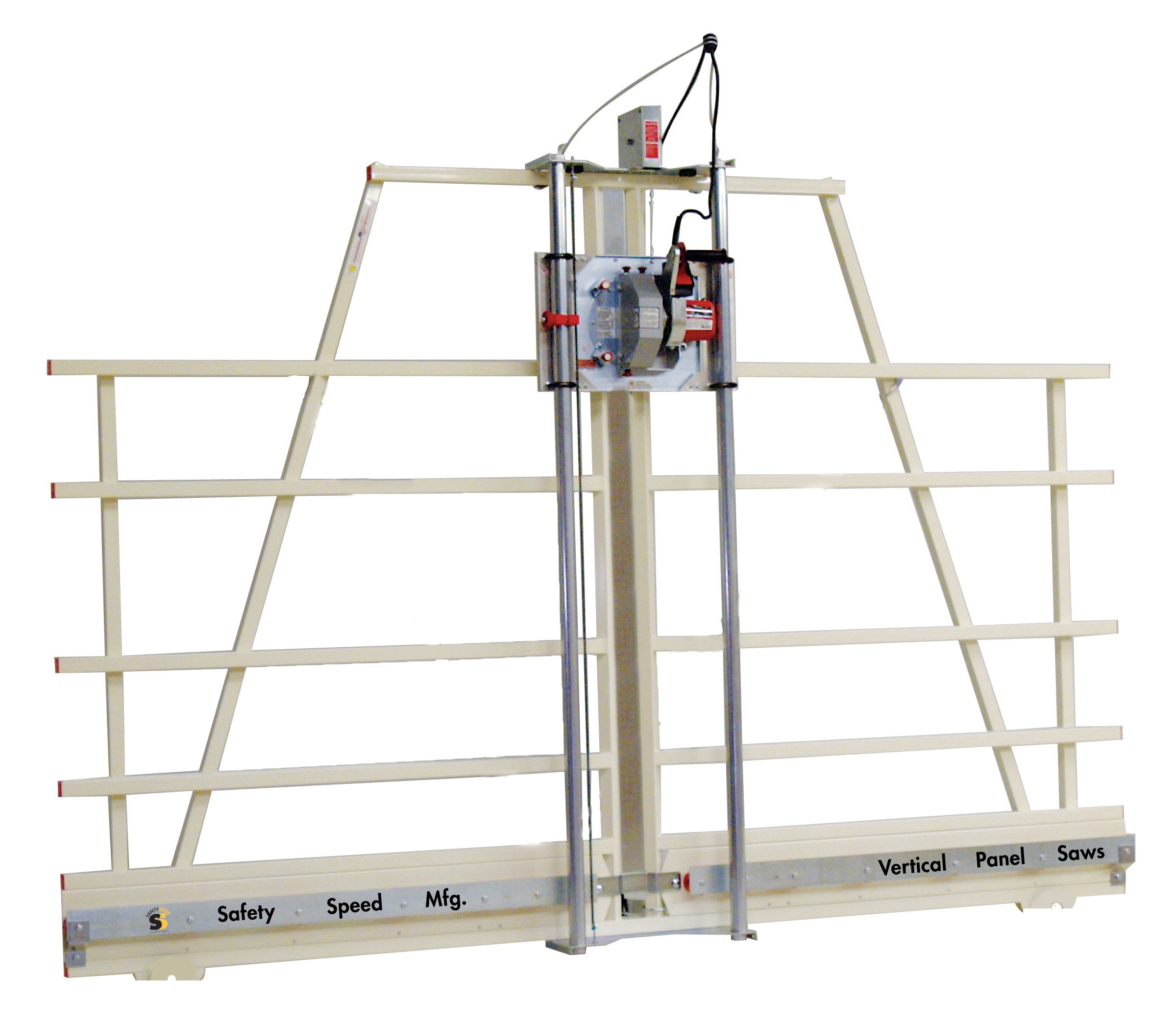
Looking for a versatile woodworking tool that can effortlessly cut through large panels with precision? Meet the panel saw. From slicing plywood sheets to trimming solid wood boards, a panel saw is a go-to solution for consistently accurate cuts in woodworking projects. Its robust design and smooth operation make it a must-have for both professional carpenters and DIY enthusiasts alike. Let’s delve into the world of panel saws and explore how this powerful tool can enhance your woodworking experience.

Exploring the World of Panel Saws: Your Ultimate Guide
Understanding Panel Saws
Panel saws are versatile tools commonly used in woodworking and carpentry. These saws are designed to cut large panels of wood, plastic, or other materials with precision and efficiency. Unlike traditional hand saws, panel saws are power tools that make cutting through thick materials much easier.
Types of Panel Saws
There are several types of panel saws, each designed for specific cutting tasks. The most common types include sliding table saws, vertical panel saws, and horizontal beam saws.
Sliding Table Saws
Sliding table saws have a sliding table that moves back and forth, allowing the operator to feed large panels through the blade. These saws are perfect for cutting large sheets of material with accuracy and speed.
Vertical Panel Saws
Vertical panel saws are ideal for cutting panels vertically. They are compact and save space in workshops while providing precise cuts for smaller projects.
Horizontal Beam Saws
Horizontal beam saws are large industrial machines used for cutting heavy panels. They are perfect for high-volume production and can handle thick materials with ease.
Benefits of Using a Panel Saw
Panel saws offer numerous benefits for both professionals and hobbyists. Let’s explore some of the key advantages of incorporating a panel saw into your woodworking arsenal.
Precision Cutting
One of the biggest advantages of using a panel saw is its ability to make precise cuts. Whether you are working on a small project or a large-scale production, a panel saw ensures accuracy and consistency in your cuts.
Time-Saving
Panel saws are designed to cut through materials quickly and efficiently. This saves time and allows you to complete projects faster, increasing productivity in your workshop.
Improved Safety
Safety is paramount when working with power tools. Panel saws come with built-in safety features such as blade guards and emergency stop buttons to protect the operator from accidents.
Versatility
Panel saws are versatile tools that can handle a wide range of materials, including wood, plastic, and metal. Whether you are cutting plywood for a cabinet or aluminum sheets for a project, a panel saw can get the job done.
How to Choose the Right Panel Saw
When it comes to selecting the right panel saw for your needs, there are several factors to consider. Understanding these factors will help you make an informed decision and choose a panel saw that suits your requirements.
Cutting Capacity
Consider the size and thickness of the materials you will be working with. Choose a panel saw that has the cutting capacity to handle your projects effectively.
Accuracy and Precision
Look for a panel saw with features that ensure accurate and precise cuts. Features like laser guides and digital readouts can help you achieve the desired results with ease.
Safety Features
Prioritize safety features when selecting a panel saw. Choose a saw that comes with blade guards, emergency stop buttons, and other safety mechanisms to protect yourself and others in the workshop.
Space and Portability
Consider the available space in your workshop and the portability of the panel saw. If you have limited space, a compact vertical panel saw might be a better option than a large horizontal beam saw.
Using a Panel Saw SafelyWear Personal Protective Equipment
Before operating a panel saw, make sure to wear appropriate personal protective equipment such as safety goggles, ear protection, and gloves to prevent injuries.
Read the Instruction Manual
Familiarize yourself with the user manual of the panel saw. Understand the operating procedures, safety guidelines, and maintenance instructions to use the saw effectively.
Keep the Workspace Clean
Maintain a clean and clutter-free workspace when using a panel saw. Remove any obstacles that could interfere with the operation of the saw and cause accidents.
Use Push Sticks or Grippers
When feeding materials through the saw blade, use push sticks or grippers to keep your hands at a safe distance from the blade. This reduces the risk of injuries during cutting.
Panel saws are indispensable tools for woodworking enthusiasts and professionals alike. With their precision cutting capabilities, time-saving features, and versatility, panel saws can take your woodworking projects to the next level. By understanding the different types of panel saws, their benefits, and how to choose and use them safely, you can make the most of this essential tool in your workshop. So, whether you are building furniture, cabinets, or other woodworking projects, a panel saw will be your trusted companion for achieving accurate and efficient cuts every time.
Saw Trax Compact Varsity Package Panel Saw 64in. Cross Cut Capacity Model# C64VP
Frequently Asked Questions
What safety precautions should be taken when using a panel saw?
When using a panel saw, always wear appropriate safety gear, such as goggles and gloves, to prevent injuries. Ensure the machine is properly maintained, with the blade guard in place and functioning. Keep the work area clean and free of obstructions to prevent accidents. Additionally, follow all safety instructions provided by the manufacturer.
How can I achieve accurate cuts with a panel saw?
To achieve precise cuts with a panel saw, ensure the material is securely clamped or held in place to prevent movement during cutting. Use the appropriate blade for the type of material you are cutting, and adjust the blade height and angle as needed. Take your time to align the material correctly before starting the cut to avoid mistakes.
What are the common features to consider when purchasing a panel saw?
When purchasing a panel saw, consider features such as the cutting capacity, motor power, blade size, and cutting accuracy. Look for additional features like laser guides for precision cutting, dust collection systems for a cleaner work environment, and safety features like emergency stop buttons. Choose a panel saw that meets your specific cutting needs and budget.
Final Thoughts
Panel saws are essential tools in woodworking for cutting large sheets of material with precision. They offer efficiency and accuracy in producing clean cuts. Investing in a quality panel saw can significantly improve productivity in any woodworking workshop. Whether you are a hobbyist or a professional, having a panel saw can streamline your cutting process and enhance the overall quality of your projects. Consider adding a panel saw to your workshop to take your woodworking skills to the next level.