




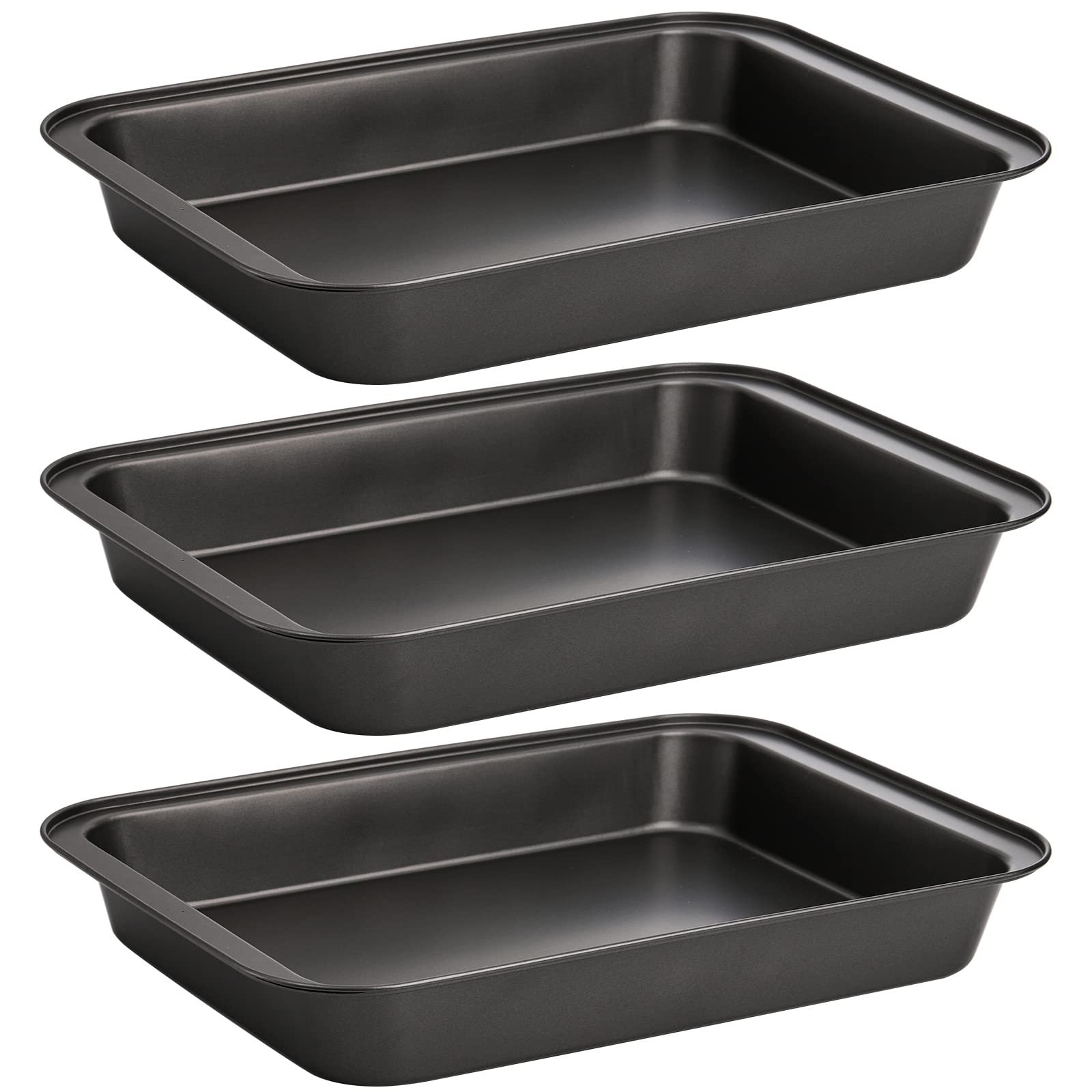
Looking for the perfect baking pan to elevate your culinary creations? Look no further! A quality baking pan is the unsung hero in the realm of baking, providing the foundation for flawless cakes, cookies, and more. From classic metal pans to innovative non-stick options, the right baking pan can make all the difference in your kitchen endeavors. Join us on a journey to discover the diverse world of baking pans and unlock the secret to baking success!

The Ultimate Guide to Baking Pan: Everything You Need to Know
Introduction
Welcome to the wonderful world of baking! Whether you’re a novice baker or a seasoned pro, one essential tool you’ll always find in the kitchen is the trusty baking pan. You might think a baking pan is just a simple metal or glass container, but it’s so much more than that. In this comprehensive guide, we’ll dive deep into the world of baking pans, exploring their types, uses, care tips, and more. So grab your apron and let’s get started!
Types of Baking Pans
Cake Pans
Cake pans are a staple in any baker’s collection. They come in various shapes and sizes, from round to square to heart-shaped. When choosing a cake pan, consider the type of cake you’re baking and the recipe’s requirements. Remember, the right pan can make all the difference in achieving that perfect fluffy texture.
Muffin Pans
If you’re a fan of cupcakes and muffins, a muffin pan is a must-have. These pans have multiple round cavities, allowing you to bake several individual portions at once. You can also use muffin pans for making mini quiches or bite-sized desserts.
Cookie Sheets
Cookie sheets, also known as baking sheets, are flat, rectangular pans with raised edges. Perfect for baking cookies, these versatile pans can also be used for roasting vegetables, toasting nuts, or even making sheet cakes. Look for a sturdy, non-stick option for easy baking and cleanup.
Brownie Pans
Brownie pans are square or rectangular pans ideal for baking everyone’s favorite chewy treats. The key to gooey brownies lies in choosing the right pan size – larger pans result in thinner brownies, while smaller pans yield thicker, fudgier ones. Experiment with different sizes to find your perfect brownie texture.
Choosing the Right Baking Pan
When selecting a baking pan, consider the material, size, and shape that best suit your baking needs. Here are some tips to help you choose the right pan:
– **Material**: Baking pans come in various materials such as aluminum, stainless steel, glass, and silicone. Each material has its pros and cons – aluminum pans heat up quickly, while glass pans provide even heat distribution. Consider the type of recipe you’re making and the desired outcome when choosing the material.
– **Size**: Ensure your baking pan is the right size for your recipe. Using a pan that’s too small can cause the batter to overflow, while a pan that’s too large may result in uneven baking. Refer to your recipe for specific pan size recommendations.
– **Shape**: Different recipes call for different pan shapes – round pans are perfect for cakes, while rectangular pans are ideal for bars and brownies. Consider the presentation of your baked goods when selecting the pan shape.
Caring for Your Baking Pan
Proper care and maintenance of your baking pan will ensure its longevity and optimal performance. Here are some tips for keeping your baking pan in top condition:
– **Cleaning**: Always hand wash your baking pan with mild dish soap and warm water. Avoid using abrasive cleaners or metal utensils that may scratch the surface.
– **Storage**: Store your baking pans in a dry place to prevent rust or corrosion. Stack them carefully to avoid scratching or denting.
– **Non-Stick Pans**: If you’re using a non-stick baking pan, avoid using cooking spray with added flour, as it can build up on the pan’s surface over time. Instead, lightly grease the pan with oil or butter before baking.
In conclusion, the humble baking pan is a versatile and essential tool in any baker’s arsenal. From cakes to cookies to brownies, the right pan can make a world of difference in your baking endeavors. By understanding the different types of baking pans, choosing the right one for your recipe, and caring for it properly, you’ll be well on your way to baking perfection. So next time you preheat the oven, remember the importance of a good old baking pan – your culinary creations will thank you for it!
What are the best baking trays?
Frequently Asked Questions
What is the best material for a baking pan?
When choosing a baking pan, consider materials like aluminum, stainless steel, ceramic, or glass. Aluminum pans are durable, heat-conductive, and affordable, while stainless steel pans are sturdy and resistant to rust. Ceramic and glass pans offer even heat distribution and are ideal for baking delicate dishes.
How do I properly care for my baking pan?
To prolong the life of your baking pan, always hand wash it with warm, soapy water and a non-abrasive sponge. Avoid using metal utensils that could scratch the surface. Once clean, dry the pan thoroughly to prevent rust or water stains. Store pans in a dry place to prevent moisture buildup.
Can I use parchment paper or silicone mats in a baking pan?
Absolutely! Using parchment paper or silicone mats in your baking pan can make cleanup easier and prevent sticking. Simply line the pan with parchment paper or a silicone mat before adding your batter or dough. This not only aids in removing the baked goods but also protects your baking pan from getting stained or messy.
Final Thoughts
In conclusion, a quality baking pan is essential for achieving excellent baking results. Choosing the right size and material can make a significant difference in your baked goods’ outcome. Additionally, proper care and maintenance of your baking pan will prolong its lifespan and ensure consistent performance. Remember, investing in a reliable baking pan is a worthwhile decision for any home baker.