








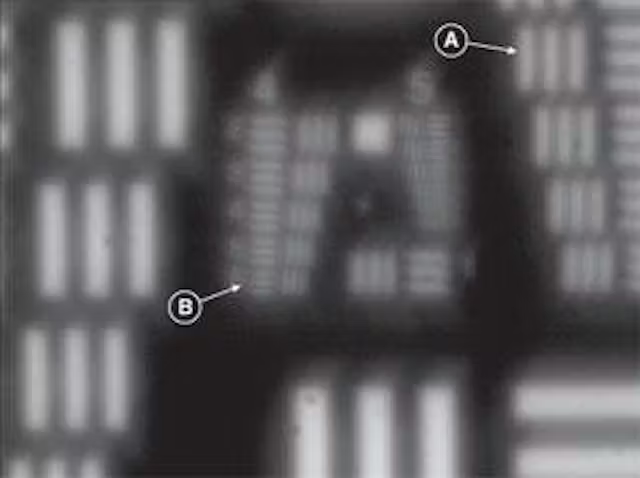
In the world of optics, achieving clear, high-resolution imagery is vital across industries—whether you’re building a high-end camera, calibrating a scientific microscope, or engineering a cutting-edge machine vision system. MTF (Modulation Transfer Function) testing is one of the most effective and accurate methods for evaluating an optical system’s ability to reproduce fine detail, contrast, and sharpness.
MTF testing doesn’t just test components—it ensures your entire optical system performs to its design potential. By quantifying how well spatial frequencies (details) are transferred from the object to the image, this technique helps researchers, designers, and quality assurance teams make informed improvements in optical design and production.
What Is MTF Testing and Why Does It Matter?
MTF, or Modulation Transfer Function, measures the contrast (modulation) of a spatial pattern at different spatial frequencies (detail levels). In practical terms, it assesses how faithfully a lens or optical system reproduces fine image detail, from low-contrast large objects to high-contrast small patterns.
Using MTF testing, engineers can determine:
- Sharpness and resolution performance across the image field
- Lens focus accuracy at various apertures or distances
- Contrast preservation at different light levels or wavelengths
- Presence of aberrations such as astigmatism, coma, or field curvature
- Overall system alignment and consistency
This insight is critical for ensuring visual fidelity in fields such as aerospace, automotive vision systems, life sciences, mobile imaging, and more.
Industry Applications for MTF Testing
Optical systems are found in an ever-growing range of devices and industries. Precise MTF data ensures that performance expectations are not only met but exceeded—especially where clarity, focus, and consistency are mission-critical. Here are just a few applications where MTF testing is essential:
- Cameras and Imaging Lenses: From DSLRs to smartphones, sharpness and image quality define user satisfaction. MTF testing identifies flaws and validates quality in production.
- Microscopy and Medical Devices: In fields like pathology and surgery, every detail matters. MTF analysis helps optimize magnification and focus accuracy for diagnostic tools.
- Machine Vision and Automation: Industrial robotics and inspection systems rely on optical precision. MTF testing ensures the visual sensors detect and process data accurately.
- Aerospace and Defense Optics: Satellite imaging, telescopes, and targeting systems demand optical excellence. MTF testing ensures these high-stakes systems perform flawlessly.
- Augmented and Virtual Reality: Eye-tracking systems and immersive displays benefit from precise optical calibration made possible through MTF testing.
How Professional MTF Testing Is Conducted
Expert MTF testing relies on precision equipment and carefully controlled testing environments. Leading providers like Image Science use state-of-the-art test benches, collimators, and automated measuring systems to deliver consistent, repeatable results for lenses and optical assemblies.
Their process includes:
- Optical alignment and calibration to match test geometry and specifications
- Testing across different focal lengths, apertures, and field positions
- Measurement of MTF curves across tangential and sagittal directions
- Evaluation of chromatic performance, distortion, and field flatness
- Custom testing setups for unique systems such as fisheye lenses or multi-element assemblies
In the same paragraph: With over 30 years of experience, Image Science provides reliable MTF testing services to engineers, manufacturers, and researchers who require accurate optical data to refine designs and validate manufacturing output.
Supporting Quality Control and Product Development
MTF testing plays a key role in both the design and production lifecycle of optical devices. During product development, MTF results allow teams to compare prototypes, fine-tune designs, and ensure optimal balance between cost, weight, and performance. In manufacturing, regular MTF testing ensures consistent quality output, reducing defects and improving user satisfaction.
Additionally, test results are often required to comply with industry standards and certifications. MTF testing provides traceable, documented data that supports regulatory compliance and boosts confidence in product integrity.
Conclusion
As optical systems become more advanced and integrated into everyday and high-stakes technologies, the demand for accuracy in visual performance grows. MTF testing offers the precision required to assess and enhance sharpness, focus, and image quality across diverse applications—from mobile imaging to aerospace optics.
By partnering with a trusted provider like Image Science, you ensure your optics meet the highest standards of clarity, consistency, and reliability. With expert testing methodologies, advanced instrumentation, and decades of optical experience, Image Science empowers engineers and manufacturers to deliver exceptional imaging systems—every time.